

One of the most common questions homeowners ask when replacing a roof or dealing with heat issues is:
“Which roof ventilation system is better—ridge vents, turtle vents, or solar vents?”
The honest answer is: it depends on your roof design, attic layout, and ventilation balance. Each system serves a purpose, but not all are equal in performance or long-term efficiency.
Understanding how each vent works—and how it interacts with your roof ridge and attic airflow—is the key to making the right decision.
Why Roof Ventilation Matters in the First Place
Your attic acts as a buffer zone between your roof and your living space. Without proper ventilation:
- Heat becomes trapped
- Attic temperatures soar
- Energy bills increase
- Shingles age prematurely
- Moisture builds up
- Mold and wood rot risks rise
As explained in Do Dark-Colored Shingles Make My House Hotter?, most heat-related comfort problems are caused by poor airflow—not roofing materials.
Proper ventilation follows one simple rule:
Cool air enters low → hot air exits high
This is why the roof ridge plays such a critical role.
The Importance of the Roof Ridge
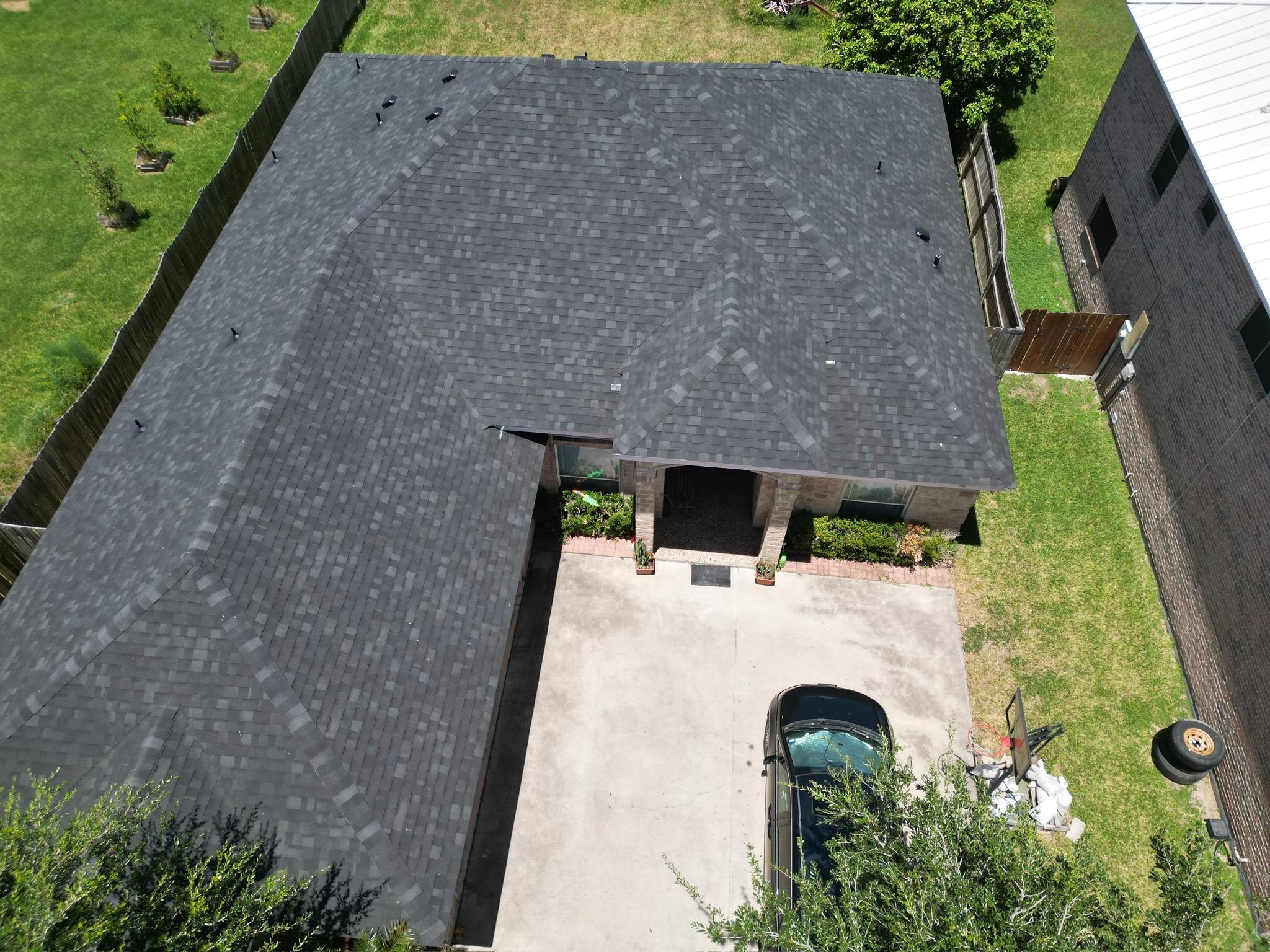
The roof ridge is the highest point of your roof, where hot air naturally wants to escape. Ventilation systems that take advantage of this natural airflow are almost always more efficient than systems that fight against it.
This principle is also why ventilation upgrades are often addressed during roof replacement, as discussed in How Long Will My Roof Replacement Take?.
Option 1: Ridge Vents (Continuous Ventilation)
What Is a Ridge Vent?
A ridge vent is a continuous vent installed along the peak of the roof. It runs the entire length of the ridge and allows hot air to escape evenly across the attic.
How Ridge Vents Work
- Warm air rises naturally to the ridge
- Heat and moisture exit continuously
- Intake vents pull in cooler air at the eaves
- Balanced airflow is created across the attic
No motors. No electricity. Just physics.
Advantages of Ridge Vents
- ✔ Most efficient natural airflow
- ✔ Even ventilation across the attic
- ✔ No moving parts (low maintenance)
- ✔ Clean, low-profile appearance
- ✔ Operates 24/7 in all conditions
- ✔ Meets most building code requirements
When paired with proper intake ventilation, ridge vents are widely considered the gold standard for residential attic ventilation.
Limitations of Ridge Vents
- ✘ Require adequate ridge length
- ✘ Must be installed correctly
- ✘ Intake ventilation must be balanced
A ridge vent alone will not work if intake airflow is insufficient.
Option 2: Turtle Vents (Box Vents)
What Is a Turtle Vent?
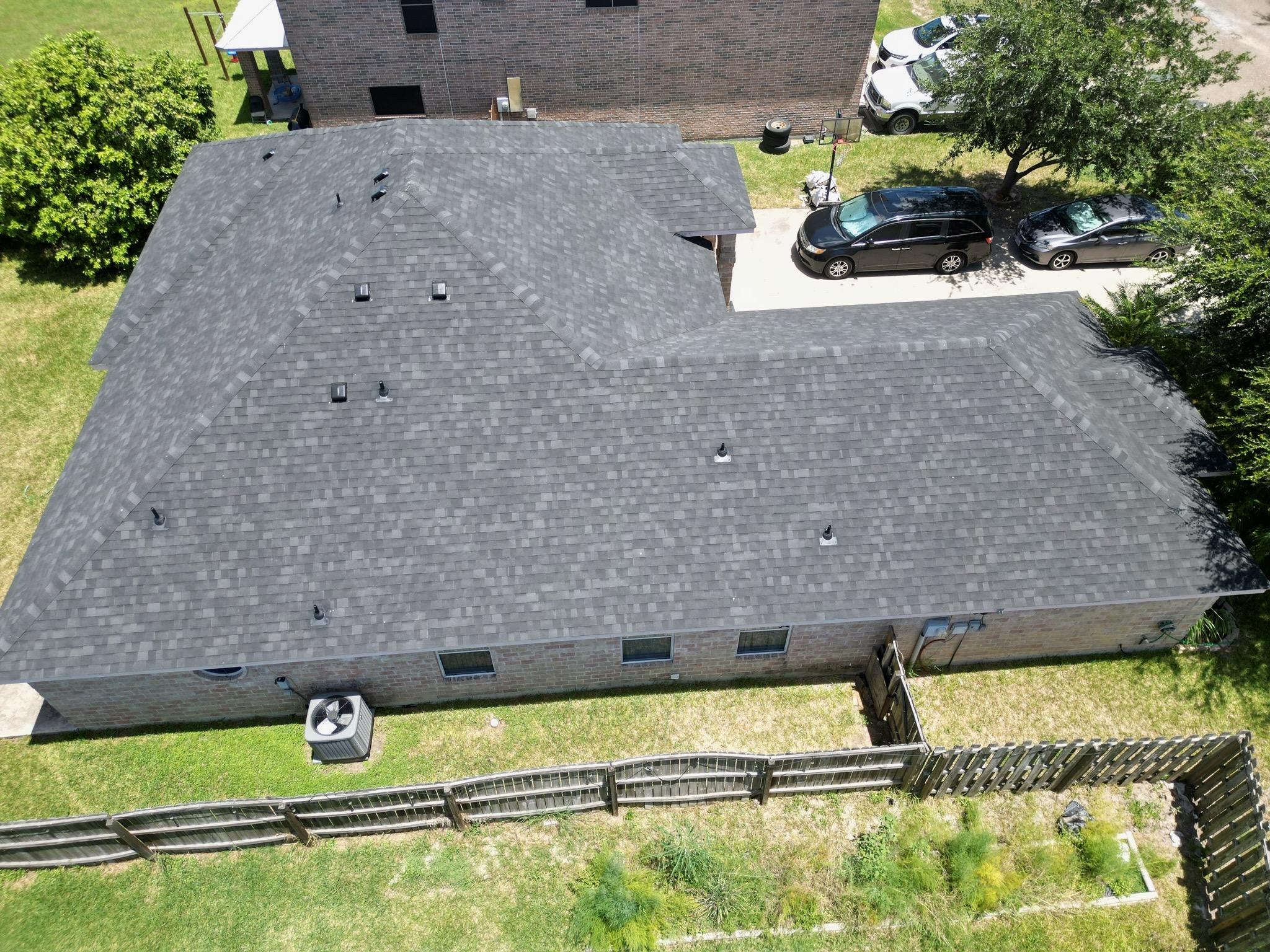
Turtle vents—also known as box vents—are individual static vents installed near the upper portion of the roof but below the ridge.
How Turtle Vents Work
- Hot air exits through each vent
- Passive airflow (no mechanical power)
- Each vent serves a limited attic area
Advantages of Turtle Vents
- ✔ Affordable and simple
- ✔ Easy to install
- ✔ No electricity required
- ✔ Useful when ridge vents aren’t possible
- ✔ Common on older roof designs
Limitations of Turtle Vents
- ✘ Uneven airflow distribution
- ✘ Requires multiple units
- ✘ Interrupts roof aesthetics
- ✘ Less efficient than ridge vents
- ✘ Can create attic hot spots
Turtle vents are functional, but often a compromise solution, not the most efficient option.
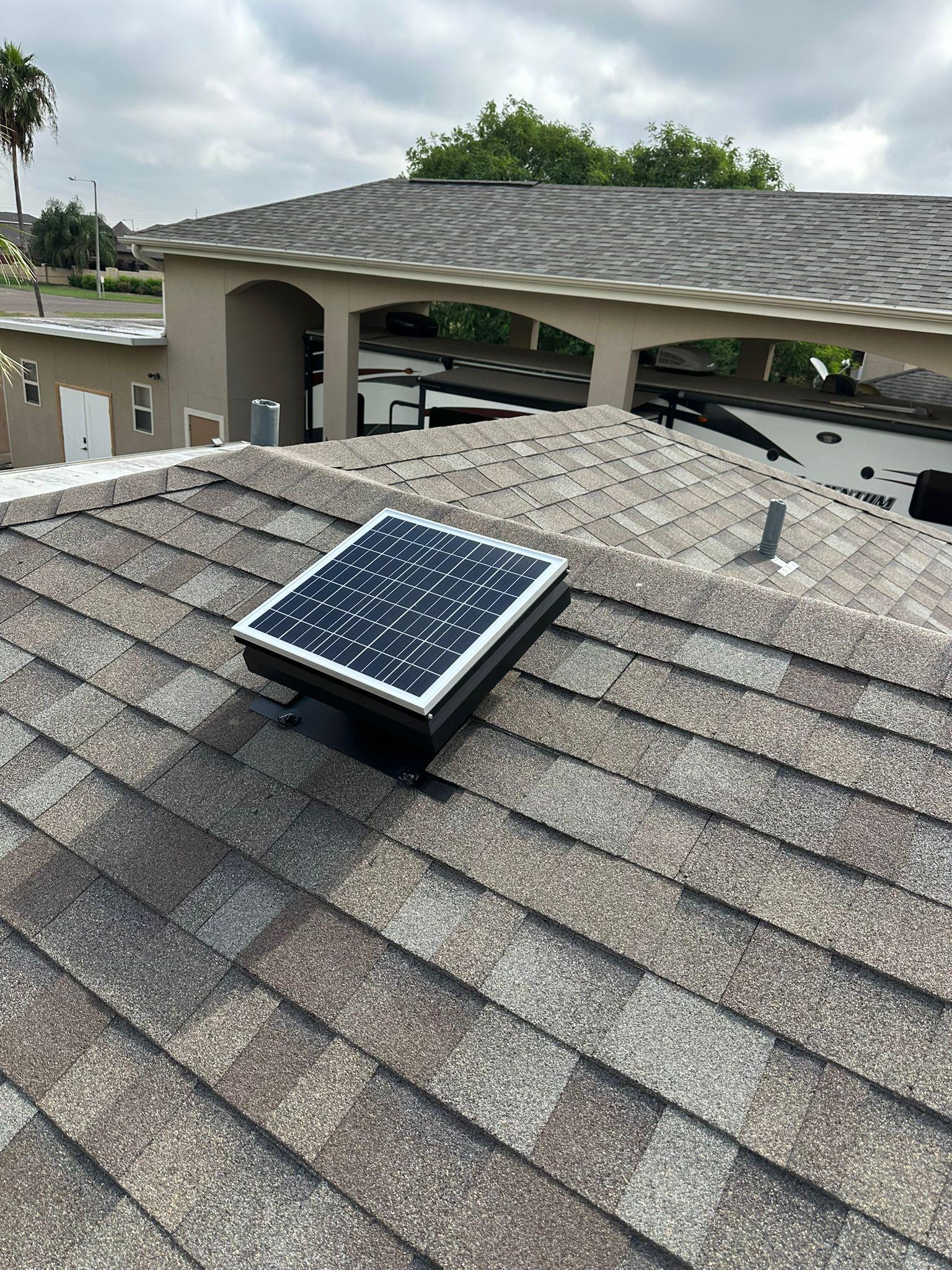
Option 3: Solar-Powered Roof Vents
What Is a Solar Vent?
A solar vent is an attic exhaust fan powered by a solar panel that actively pulls hot air out when sunlight is available.
How Solar Vents Work
- Solar panel powers an exhaust fan
- Actively pulls heat from the attic
- Operates only during daylight
Advantages of Solar Vents
- ✔ Active heat removal
- ✔ No electrical cost
- ✔ Helpful for extreme heat scenarios
- ✔ Useful in complex attic layouts
Limitations of Solar Vents
- ✘ Only works when the sun is out
- ✘ Can disrupt natural airflow balance
- ✘ May pull conditioned air if intake is poor
- ✘ Higher upfront cost
- ✘ Mechanical parts can fail over time
Solar vents should be used strategically, not as a default solution.
Poor ventilation can void warranties and contribute to denied insurance claims due to premature roof failure.
https://xyzroofingandrestorations.com/can-any-roofing-contractor-offer-a-50-year-warranty/
https://xyzroofingandrestorations.com/understanding-an-insurance-roof-claim-payout/
Why Mixing Vent Types Can Hurt Performance
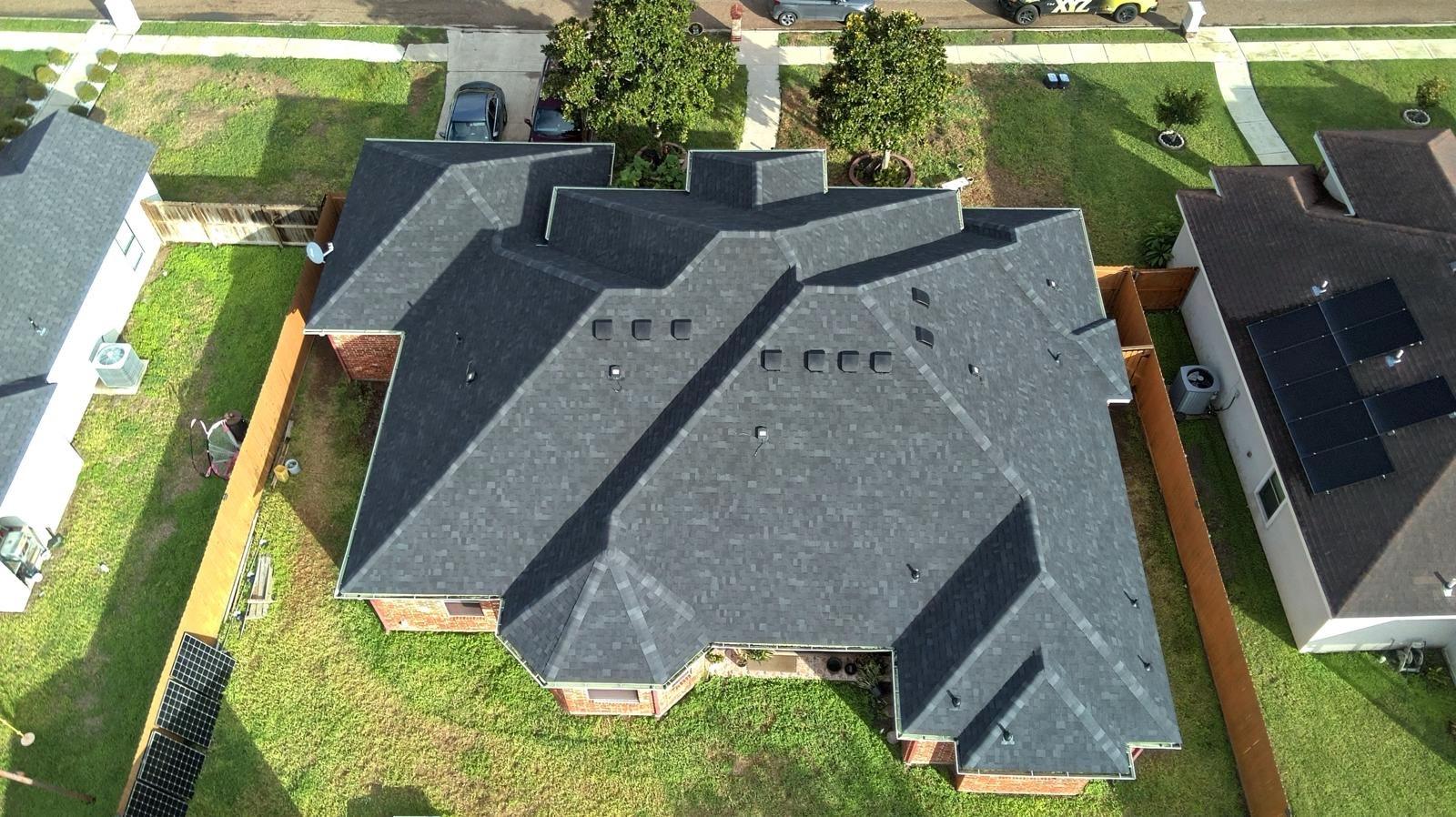
One of the most common ventilation mistakes is improperly mixing exhaust systems, such as:
- Ridge vent + turtle vents
- Ridge vent + solar vents
This can cause:
- Short-circuiting airflow
- Hot air pulled from nearby vents instead of the attic
- Reduced ventilation efficiency
- Wasted system capacity
Ventilation must be designed as a system, not patched together.
Which Ventilation System Is Best?
Ridge Vent Is Usually Best If:
- Your roof has a continuous ridge
- Intake ventilation is available
- You want even, natural airflow
- You want low maintenance
- You want long-term performance
For most homes, ridge vent + balanced intake vents is the most effective solution.
Turtle Vents Are Better If:
- Ridge vent installation isn’t possible
- Ridge length is limited
- You’re working with an older roof design
- Budget is a concern
Solar Vents Make Sense If:
- Extreme attic heat exists
- Passive systems aren’t sufficient
- Attic layout is complex
- Airflow has been professionally calculated
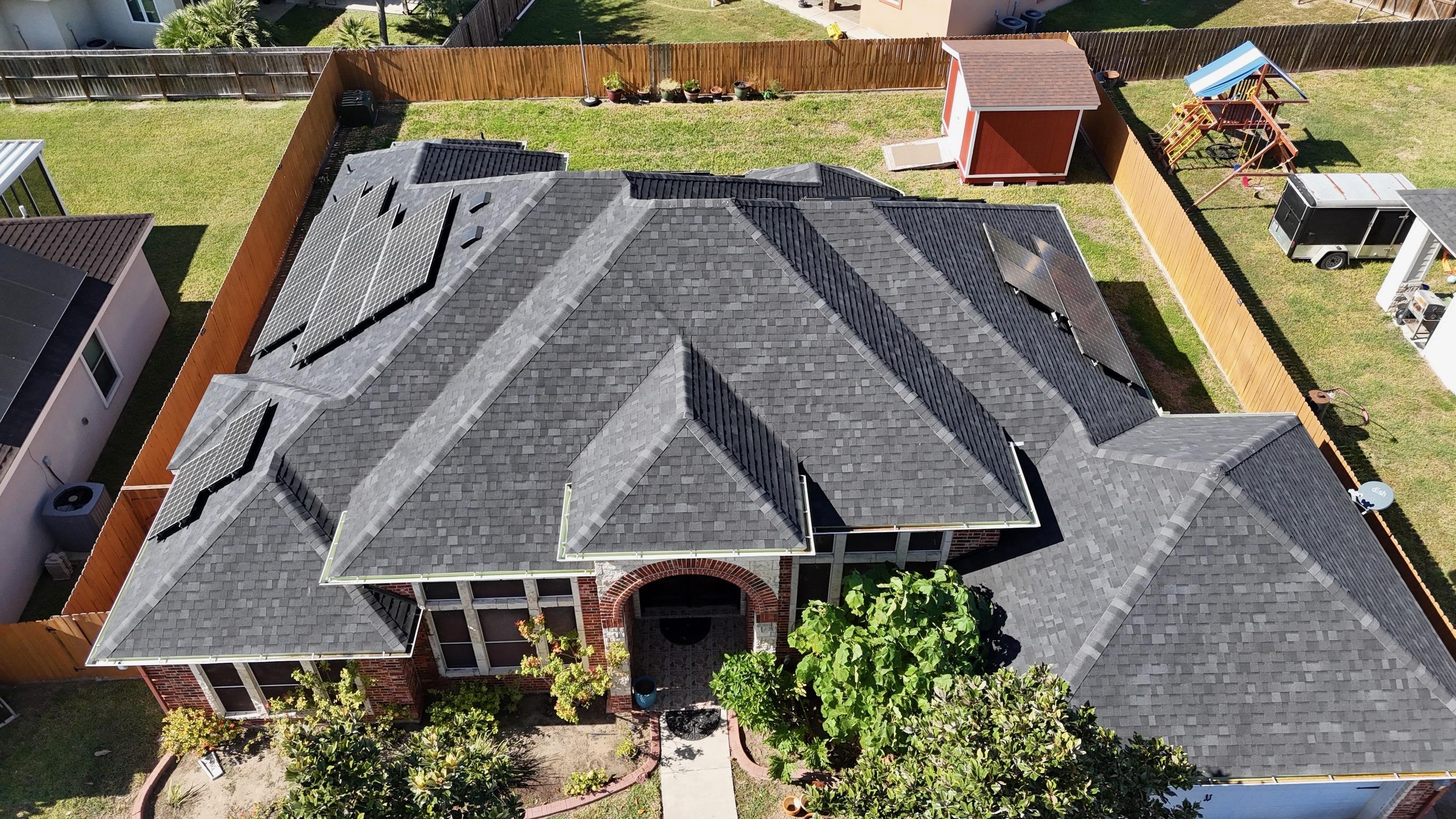
Ventilation Is About Balance — Not Just the Vent
The most important takeaway is this:
The best vent is the one that is properly sized, balanced, and installed for your home.
That means:
- Correct intake-to-exhaust ratio
- Code-compliant airflow
- Proper placement
- No competing systems
This is why ventilation should always be evaluated during a roof replacement, not ignored. If you’re planning a project, you can get an instant roof quote here and see how ventilation upgrades factor into the system.
Final Thoughts
So, which is better—ridge vents, turtle vents, or solar vents?
For most homes, a properly installed ridge vent system provides the best balance of efficiency, reliability, and long-term performance.
Turtle vents and solar vents have valid uses, but they should be chosen intentionally—not by default.
When ventilation is designed correctly, it protects:
- Your roof
- Your attic
- Your energy efficiency
- Your comfort
- Your long-term investment
Ventilation isn’t about trends—it’s about physics, balance, and performance.
If you’re replacing your roof, ventilation should be evaluated as part of the entire roofing system, not as an afterthought.
https://xyzroofingandrestorations.com/does-replacing-my-roof-only-mean-replacing-the-shingles/
To see what ventilation options make sense for your home, you can also start with a transparent estimate using our Instant Roof Quote Tool:
https://xyzroofingandrestorations.com/instant-roof-quote/