
A Homeowner’s Guide for McAllen, Harlingen, Brownsville & Corpus Christi
One of the most common questions homeowners ask across McAllen, Harlingen, Brownsville, and Corpus Christi is:
“How long does a roof last in South Texas?”
The honest answer is: it depends—but in South Texas, climate plays a huge role.
High heat, intense UV exposure, coastal humidity, strong winds, and sudden storms all impact how long a roof actually lasts in the Rio Grande Valley and Coastal Bend. In this guide, we’ll look at realistic roof lifespans in South Texas, what shortens or extends them, and how homeowners can protect their investment by treating the roof as a system, not just a layer of shingles.
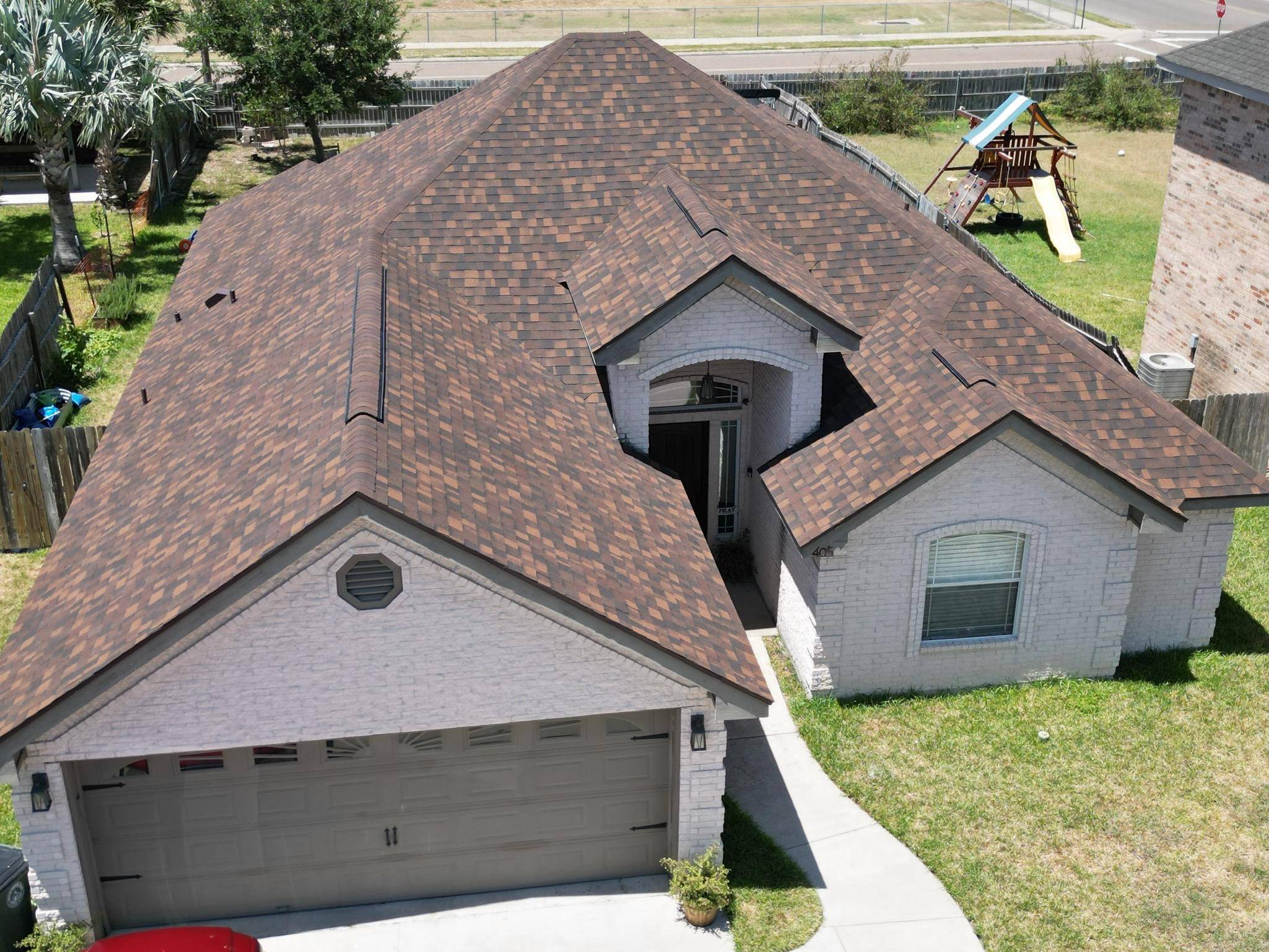
Average Roof Lifespan in McAllen, Harlingen, Brownsville & Corpus Christi
These are realistic expectations based on South Texas weather conditions—not just manufacturer marketing claims.
Asphalt Shingle Roofs (Most Common in South Texas)
Average lifespan in South Texas: 18–25 years
Asphalt shingles are the most popular roofing material in McAllen, Harlingen, and Brownsville due to their affordability and availability. However, constant sun exposure and high heat can cause shingles to age faster than in cooler climates.
While shingles may be advertised as “30-year” or even “lifetime,” in South Texas they often need replacement closer to 20–22 years, especially if:
- Ventilation is poor
- The roof was not installed as a complete system
- Routine maintenance and inspections have been skipped
If you are comparing shingle roofs to other options, it can be helpful to review resources like Shingle Roof vs. Standing Seam Metal Roof: Which One Is Right for Your Home? to understand how materials and installation quality affect lifespan.
Metal Roofs
Average lifespan in South Texas: 40–70 years
Metal roofing performs exceptionally well in South Texas when it is installed correctly as a system. Metal roofs:
- Reflect heat, helping reduce cooling loads
- Resist high winds when properly fastened
- Hold up well against heavy rain and storms
In Corpus Christi and coastal areas, corrosion resistance and proper coatings are critical. While the metal panels can last for decades, components such as fasteners, sealants, and flashing may require maintenance or replacement every 10–15 years.
Tile Roofs (Clay or Concrete)
Average lifespan in South Texas: 50–100+ years
Tile roofs are common on higher-end homes throughout the Valley and coastal regions.
- The tiles themselves can last many decades
- The underlayment beneath the tiles typically needs replacement every 20–30 years
Strong winds and falling debris can crack tiles, especially if regular inspections are skipped. A tile roof’s true performance depends just as much on underlayment, flashing, and installation quality as it does on the tile itself.
Flat and Low-Slope Roofs
Average lifespan in South Texas: 15–30 years
Flat and low-slope roofs are common on commercial buildings and some modern homes in South Texas. Common systems include TPO, modified bitumen, and PVC.
These systems are effective but vulnerable to:
- Ponding water
- UV degradation
- Storm damage and wind uplift
- Poor drainage design
Because issues on flat roofs are often hidden from view, regular inspections are essential—especially after heavy rains or wind events.
If you are comparing different flat roof systems, learning how PVC vs. TPO roofing systems perform in our climate can help guide long-term decisions.
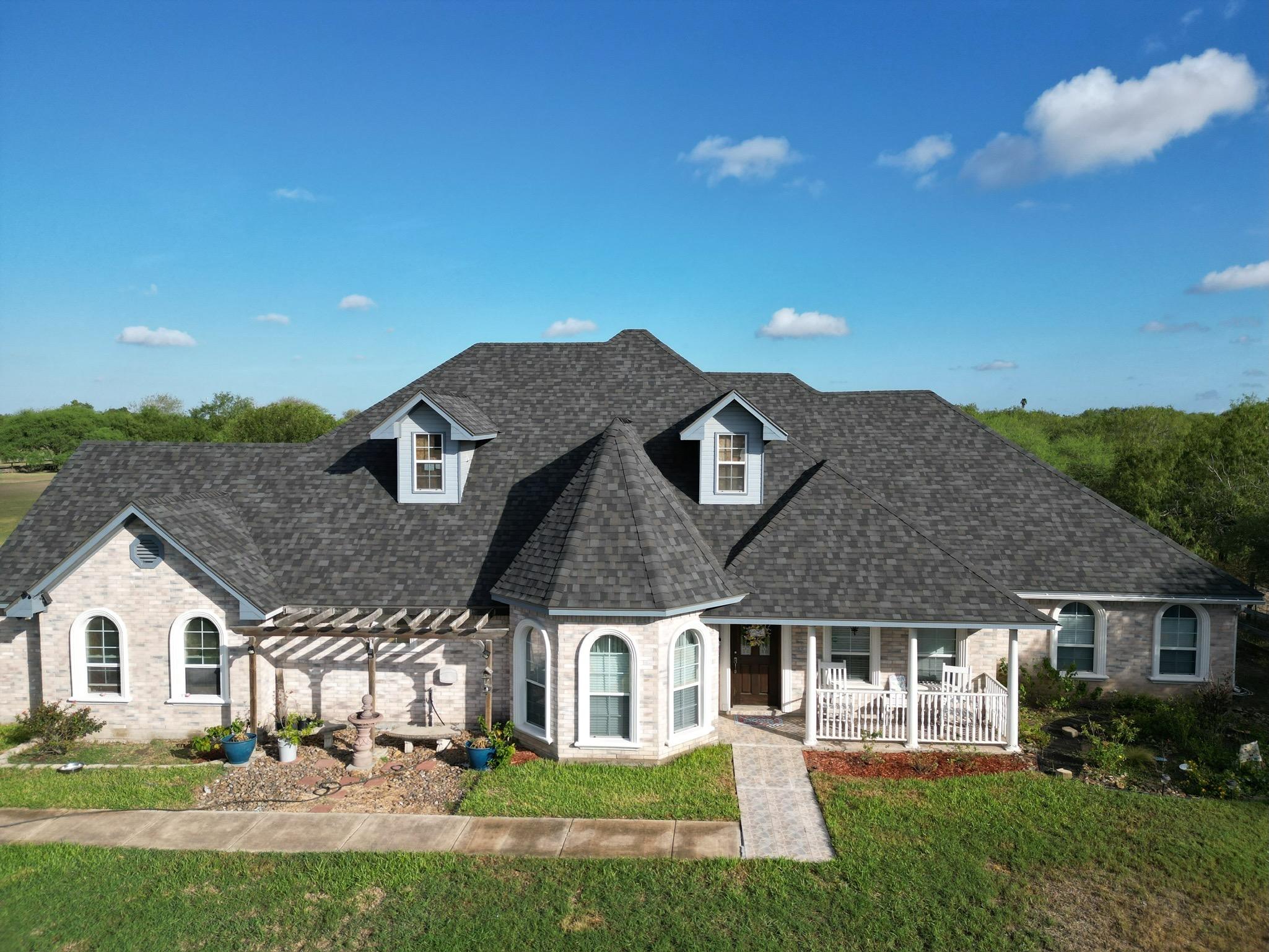
Why Roofs in South Texas Wear Out Faster
Two roofs installed on the same day can have very different lifespans depending on materials, installation quality, ventilation, and local conditions. South Texas puts unique stress on roof systems.
1. Extreme Heat & UV Exposure
In cities like McAllen and Harlingen, roof surface temperatures can exceed 150°F during summer months. This constant heat:
- Dries out shingles
- Causes cracking and curling
- Accelerates granule loss and aging
UV radiation is one of the biggest “silent roof killers” in South Texas, breaking down materials faster than in milder regions.
2. Coastal Moisture & Salt Air (Corpus Christi & Brownsville)
Homes closer to the coast experience:
- Higher year-round humidity
- Salt air, which can corrode metal components
- Increased mold, algae, and mildew growth
These factors can shorten roof lifespan if:
- Materials are not chosen for coastal environments
- Flashing and fasteners are not corrosion-resistant
- Maintenance and cleaning are neglected
In these areas, ventilation and proper material selection become even more important to protect both the roof system and the underlying structure.
3. Wind & Storm Events
South Texas storms can bring:
- Strong straight-line winds
- Wind-driven rain
- Occasional hail
Older roofs or roofs with installation shortcuts are more likely to suffer:
- Shingle blow-offs
- Lifted seams or edges
- Flashing failures
After significant storm events, it is wise to schedule a professional inspection—not just a quick look from the street. Understanding how an insurance roof claim payout might work in these situations can also help you make better decisions about repair vs. replacement.
4. Poor Ventilation (Very Common in the Valley)
Improper attic ventilation is one of the top reasons roofs fail early in the Rio Grande Valley.
Without proper airflow:
- Heat gets trapped in the attic
- Shingles overheat from below
- Decking and underlayment deteriorate faster
- Energy bills increase
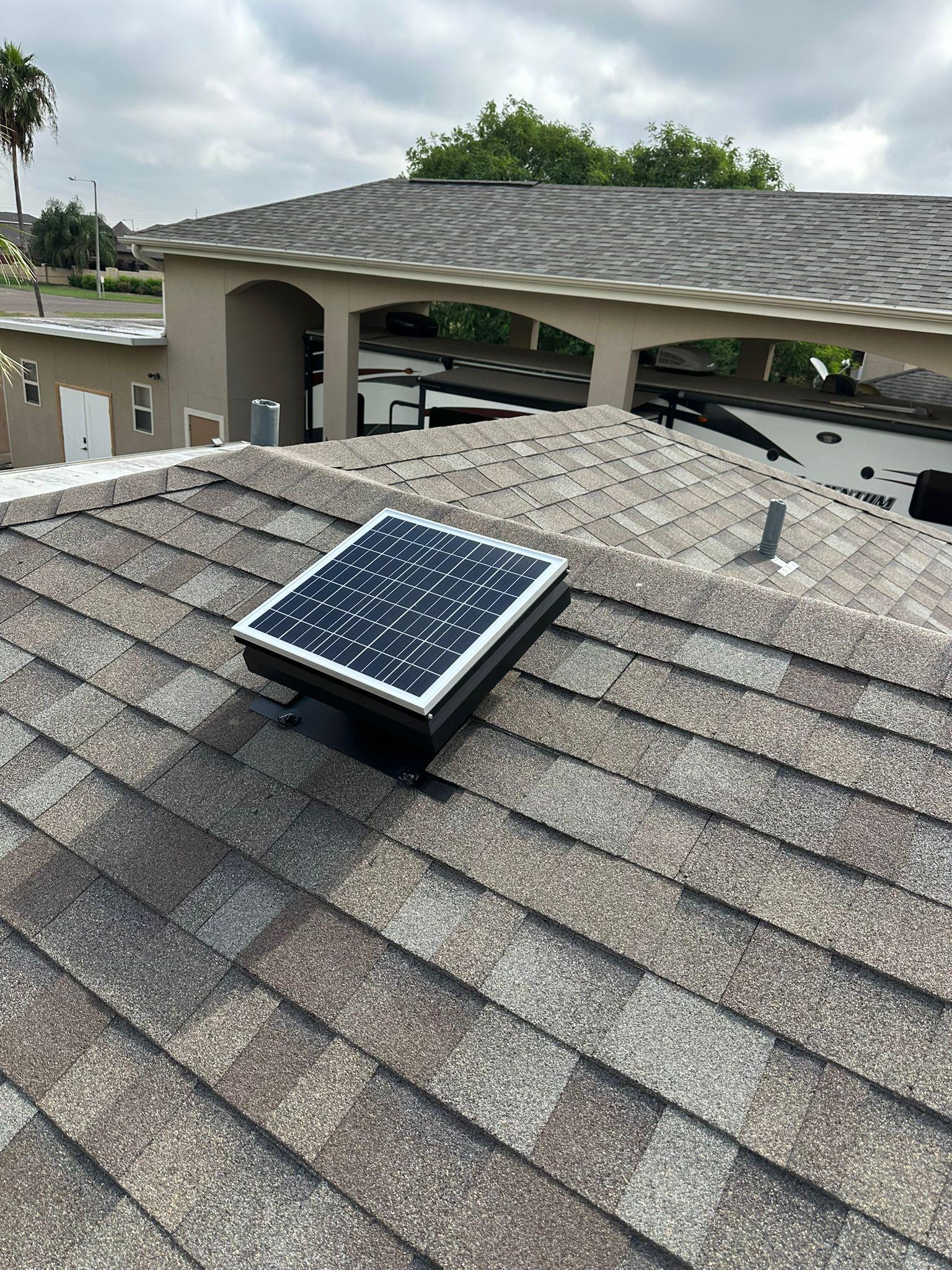
Good ventilation is part of a healthy roof system and can add years to a roof’s life. If you are unsure which type of ventilation you have—or need—resources like Ridge Vent vs. Turtle Vent vs. Solar Vent can help you understand your options.
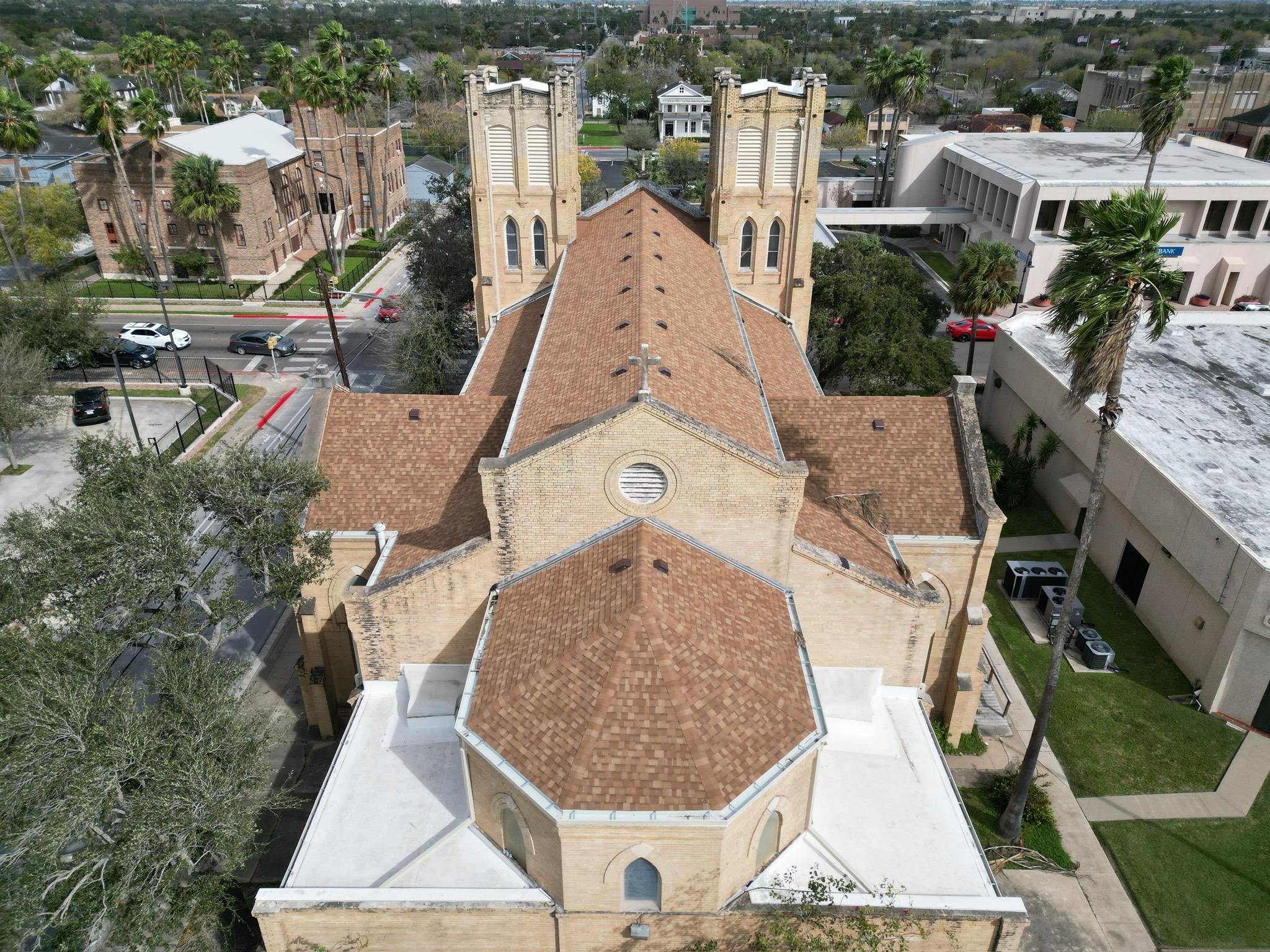
Signs Your Roof May Be Near the End of Its Life
If your home is in McAllen, Harlingen, Brownsville, or Corpus Christi, watch for these warning signs that your roof may be approaching the end of its service life.
Exterior Signs
- Curling, cracked, or brittle shingles
- Bald spots where granules are missing
- Loose or missing shingles after wind events
- Sagging or uneven rooflines
- Dark streaks, algae, or significant staining
Interior Signs
- Water stains on ceilings or walls
- Musty or damp smells in the attic
- Daylight visible through roof decking
- Sudden or unexplained increases in cooling costs
Seeing multiple signs together usually means replacement is more cost-effective than ongoing repairs, especially on roofs 18–20+ years old in our climate.
If you’re not sure how old your roof actually is, it may help to review steps for figuring out the age of your roof before you make big decisions.
Understanding Roof Warranties vs. Reality
Many homeowners assume their roof will last as long as the warranty—but warranties do not guarantee real-world lifespan, especially in South Texas.
What Warranties Usually Cover
- Manufacturing defects
- Premature material failure under normal conditions
What They Usually Do NOT Cover
- Poor or improper installation
- Heat damage and UV-related aging
- Storm damage (hail, wind, flying debris)
- Normal wear and tear
- Ventilation problems or attic moisture
In South Texas, a “30-year” shingle roof often performs closer to 20–25 years in actual conditions. Warranties can be valuable, especially enhanced system warranties offered by certified contractors, but they are just one piece of the picture. It is worth understanding what is (and is not) realistic when you hear terms like “50-year roof” or “lifetime warranty.”
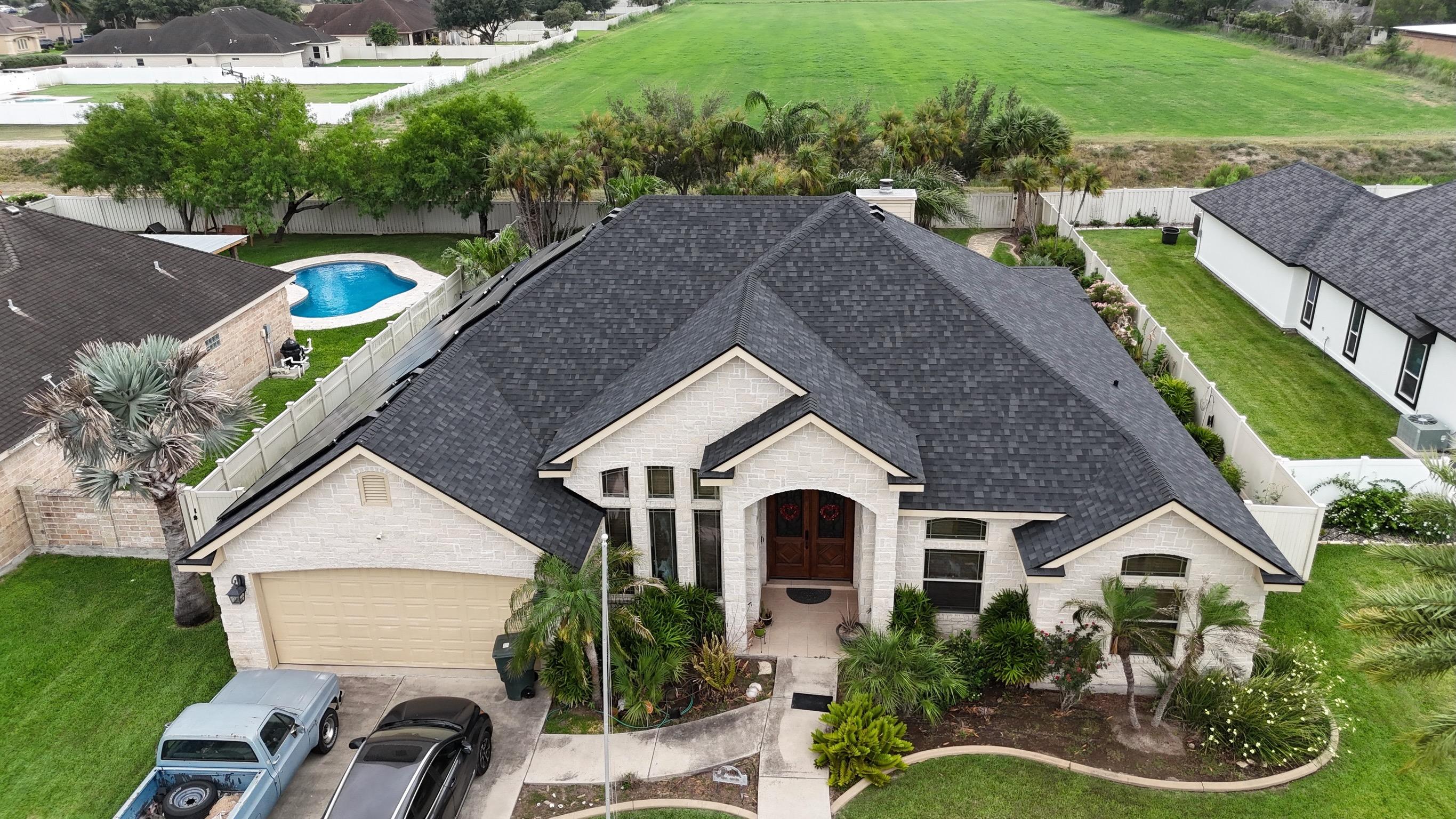
Can You Extend the Life of Your Roof in South Texas?
Yes—absolutely. While we cannot change the climate, we can control maintenance, installation quality, and system design.
Roofs last longer when homeowners:
- Schedule annual or biannual inspections
- Address small repairs early before they spread
- Keep gutters and downspouts clear
- Trim back overhanging branches and debris sources
- Ensure proper attic ventilation and insulation
- Document maintenance and repairs for future buyers or insurers
Proactive maintenance can realistically add 5–10 extra years to a roof’s lifespan in South Texas, especially when combined with quality installation and good ventilation design.
Repair or Replace? What Makes Sense in the Valley
Every home is different, but here are general guidelines for South Texas roofs:
- Under 10–15 years old:
Repairs usually make sense if the roof was installed correctly and damage is localized. - Around 15–20 years old:
A professional inspection is important. Repairs may still be cost-effective, but you should start planning and budgeting for eventual replacement. - Over 20 years old:
Replacement is often the smarter long-term option, especially if you have recurring leaks, widespread granule loss, or storm damage. - Frequent leaks or constant repair calls:
This is a strong sign the roof system is near the end of its life. At this point, replacing the roof on your own terms is usually better than waiting for a major failure during a storm.
Understanding how a new roof affects home value and insurance can also be helpful when you are on the fence. If you’re curious about the financial side, you may want to review how a new roof can increase the value of your home.
Planning Ahead for Roof Replacement in McAllen, Harlingen, Brownsville & Corpus Christi
Knowing how long your roof is expected to last allows you to:
- Budget ahead of time instead of reacting to emergencies
- Avoid interior water damage and mold from delayed replacement
- Protect your home’s resale value and curb appeal
- Maintain or improve insurance eligibility and coverage options
South Texas weather is tough on roofs—but education and preparation make all the difference. Understanding your roof’s age, condition, and system design (ventilation, underlayment, flashing, and materials) gives you the information you need to plan wisely.
Final Thoughts: How Long Does a Roof Last in South Texas?
The best answer is:
A roof lasts as long as it was properly installed, ventilated, maintained, and designed for South Texas conditions.
Material matters, but installation quality, ventilation, and climate awareness matter more.
If you’re unsure how much life your roof has left, a professional roof inspection can give you a clear picture of:
- Current condition
- Approximate remaining life
- Maintenance needs
- Whether repair or replacement makes more sense
Your roof is not just part of your house—it is your home’s first line of defense against South Texas heat, storms, humidity, and coastal conditions. Understanding its true lifespan helps you protect that investment before small issues turn into costly problems.