

A Homeowner’s Guide to Roof Age, Insurance, and What Really Matters
One of the most common questions homeowners ask is:
“How old is my roof?”
It sounds like a simple question—but for many homeowners, the answer isn’t obvious. Roof age affects insurance coverage, resale value, maintenance decisions, and whether repairs or replacement make sense. Yet many people don’t know where to find accurate information.
Let’s walk through the most reliable ways to determine your roof’s age, what to do if you can’t find an exact date, and why roof age matters more today than ever before—especially in Texas and along the South Texas coast.
Why Knowing the Age of Your Roof Is Important
Your roof’s age plays a major role in several areas:
- Insurance eligibility and premiums
- Claim approvals or denials
- Home inspections and resale negotiations
- Maintenance vs. replacement decisions
- Manufacturer warranty coverage
In many cases, insurance companies and buyers care less about how your roof looks and more about how old it is and how it was installed as a system.
If you’re unsure how roof age could impact your policy or claim, it’s worth understanding how insurance roof claim payouts work and how deductibles must be handled under Texas law.

1. Check Your Home Purchase Documents
If you bought your home with the current roof already installed, start with your closing paperwork.
Look for:
- Seller disclosures
- Home inspection reports
- Roof replacement invoices
- Warranty paperwork
Sellers are often required to disclose the approximate age of the roof. While this information isn’t always exact, it provides a useful starting point.
If your inspection report mentions things like ventilation, underlayment, or flashing details, that’s even better—it tells you more than just age; it tells you how the roof system was installed.
2. Review Permits and City Records
Most roof replacements require a permit. That makes local building departments one of the most reliable sources for roof age.
You can:
- Contact your city or county building department
- Search online permit records (if available)
- Request roofing permit history for your address
If a permit was pulled, it usually includes:
- Date of installation
- Type of work performed (repair vs. full replacement)
- Contractor information
For homeowners in Texas coastal areas, permits and windstorm documentation can also show whether your roof was installed to meet current standards. If you’re unsure about this, you may also want to learn whether you need a windstorm certification for your roof.
This type of documentation is one of the strongest forms of proof for insurance and resale purposes.
3. Look for Contractor Invoices or Warranty Registrations
If you or a previous owner replaced the roof, there may be:
- Paid invoices or contracts from the roofing contractor
- Warranty registration confirmations
- Manufacturer warranty documents
Many manufacturers require warranties to be registered shortly after installation. These records often include the exact install date, which is extremely helpful when:
- Updating your insurance carrier on roof age
- Filing a claim after a hail or windstorm
- Determining whether you still have manufacturer warranty coverage remaining
If the roof was installed by a certified contractor and registered correctly, you may also have access to longer, enhanced system warranties—which are tied directly to both age and installation quality.
4. Ask the Previous Owner (If Possible)
If the home was purchased recently, reaching out to the previous owner may provide clarity.
While this method relies on memory, it can:
- Confirm timing (for example, “we replaced the roof right after the 2017 storm”)
- Narrow down a date range
- Point you to missing documents or the original contractor
Insurance companies may accept approximate dates if they’re supported by reasonable evidence like:
- An inspection report
- A permit record
- A contractor invoice
If the previous owner can share which contractor did the work, you can also ask that contractor about the roof system they installed (underlayment, ventilation, flashing, etc.), not just the age.
5. Check With the Roofing Manufacturer
If you know the shingle brand and believe the warranty was registered, the manufacturer may be able to:
- Confirm that the warranty was registered
- Verify an installation timeframe
- Provide current warranty status
This works best when the roof was:
- Installed by a certified contractor
- Registered correctly
- Installed as a complete system (underlayment, accessories, and proper ventilation)
If you have a higher‑end 50‑year or system warranty, the manufacturer’s records can be especially valuable. Just remember: the warranty terms usually start on the installation date, so knowing that date is critical.
6. Have a Professional Roof Inspection
When paperwork is unavailable, a professional roof inspection is often the best option.
An experienced roofing contractor can estimate age by evaluating:
- Shingle condition and granule loss
- Curling, cracking, or blistering
- Nail exposure and fastener patterns
- Sealant wear and flashing condition
- Ventilation setup and airflow
- Underlayment exposure (if visible at edges, valleys, or penetrations)
While this won’t provide an exact date, it can give a reasonable age range, which is often enough for:
- Insurance underwriting
- Planning repairs vs. replacement
- Home resale and negotiations
A good contractor will also look at how the roof system is performing—ventilation, underlayment, decking, and flashing—because these factors can make a 12‑year‑old roof act like a 20‑year‑old roof in a harsh Texas climate.
If you’d like a professional opinion and documentation you can share with your insurance company, you can always schedule a roof inspection or request an Instant Roof Quote online:
Get an Instant Roof Quote
7. What About Online Roof Age Estimates?
Some online tools and real estate databases will show an “estimated roof age”—but these are often inaccurate.
They may:
- Use property tax updates as a proxy
- Assume roof age matches home age
- Pull incomplete or outdated public records
- Ignore unpermitted roof work
These tools can be a starting point, but they should not be relied on alone, especially for:
- Insurance coverage decisions
- Claim documentation
- Warranty questions
Whenever possible, back up online estimates with permits, inspection reports, or professional assessments.
What If I Can’t Find the Exact Age?
This is more common than you might think, especially in older neighborhoods or homes that have changed hands several times.
If exact documentation isn’t available, insurance companies and buyers often accept:
- A professional inspection report with an estimated age range
- Permit records showing a date or timeframe
- Seller disclosure statements
- Written assessments from a qualified roofing contractor
The key is consistency and credibility, not perfection. As long as your documentation is reasonable and honest, most carriers and buyers will work with it—even if you don’t have the precise install date.
How Roof Age Affects Insurance
Insurance companies are paying closer attention to roof age than ever before, especially in hail‑ and wind‑prone areas of Texas.
In many cases:
- Roofs over a certain age face coverage limitations
- Older roofs may come with higher deductibles
- Claims may be scrutinized more closely
- Some policies exclude cosmetic or partial damage on older roofs
Knowing your roof’s age allows you to:
- Avoid surprises when a storm hits
- Update your policy accurately
- Understand how a roof claim payout might be calculated
- Decide whether to replace your roof before your next renewal
Misrepresenting roof age—intentionally or unintentionally—can cause claim delays or denials. In Texas, it’s also essential to understand your legal obligations around paying your insurance deductible.
A professional inspection and written report can give you the documentation your insurance company needs.
Roof Age and Home Resale
During resale, roof age is one of the first things buyers, inspectors, and appraisers ask about.
A newer roof:
- Reduces buyer concerns about near‑term expenses
- Strengthens appraisal value
- Minimizes inspection objections
- Helps the transaction move more smoothly
An older or undocumented roof often leads to:
- Price negotiations or credits
- Repair or replacement requests
- Delays during option periods
- In some cases, lost deals
If you’re planning to sell in the next few years, knowing your roof’s age—and having documentation ready—can make your home more attractive and help you justify your asking price. A documented new or recent roof can also increase perceived value; many buyers understand that a new roof can increase home value.
Manufacturer Warranties and Roof Age
Most shingle and roofing system warranties:
- Begin on the installation date
- Require proper registration within a specific window
- May require a certified contractor for enhanced coverage
- Are prorated over time, especially for older roofs
If you don’t know the roof age, you may not know whether:
- A warranty is still valid
- Coverage has transferred correctly to you as the new owner
- Labor, disposal, and accessories are included—or just materials
This matters if problems arise later, especially in our South Texas climate where heat, UV, and storms can expose installation shortcuts.
If you have questions about what kind of warranty you actually have, or whether a 50‑year warranty is realistic for your roof, you can learn more here:
Can Any Roofing Contractor Offer a 50‑Year Warranty?
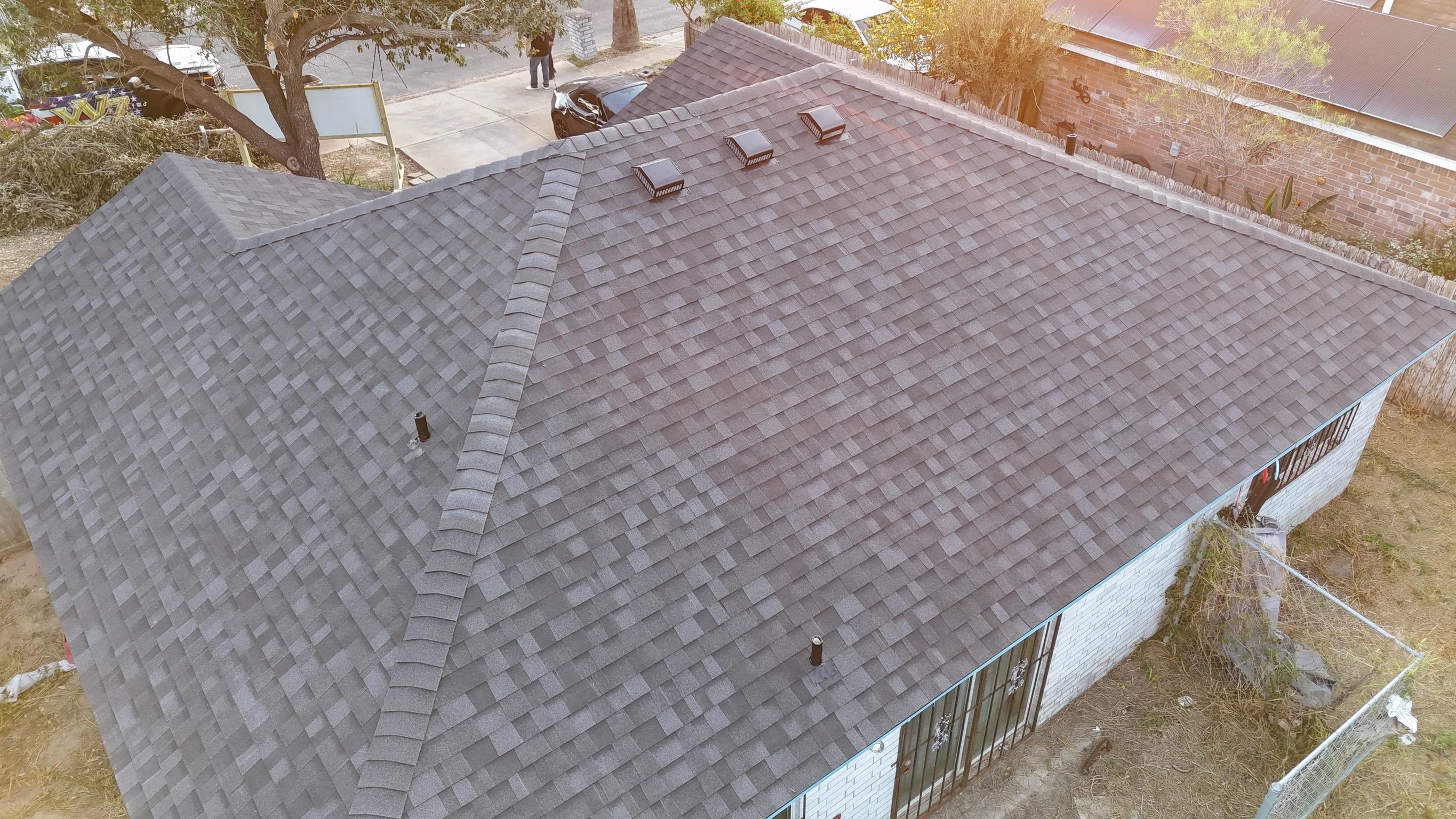
Roof Age vs. Roof Condition: What’s More Important?
While roof age matters, condition matters too.
A 15‑year‑old roof:
- With good ventilation
- Proper installation and flashing
- No significant storm damage
…may perform better than a poorly installed 8‑year‑old roof with inadequate ventilation and shortcuts in the underlayment or decking repairs.
However, insurance companies and buyers often use age as a first filter, then condition as a secondary factor.
That’s why understanding both is important:
- Age tells you how far along you are in the expected lifespan.
- Condition and system design tell you how the roof is actually performing in the real world.
If you’re not sure whether your roof’s age or condition should be your bigger concern, a professional inspection can help you prioritize.
Common Myths About Roof Age
“If it looks fine from the ground, age doesn’t matter.”
Not true for insurance and resale. Many issues—like granule loss, flashing problems, or underlayment failures—aren’t visible from the street.
“I can just guess the age for insurance.”
Guessing can create problems if your claim is investigated. Carriers can and do pull permits, view satellite imagery, and request documentation.
“All roofs last the same amount of time.”
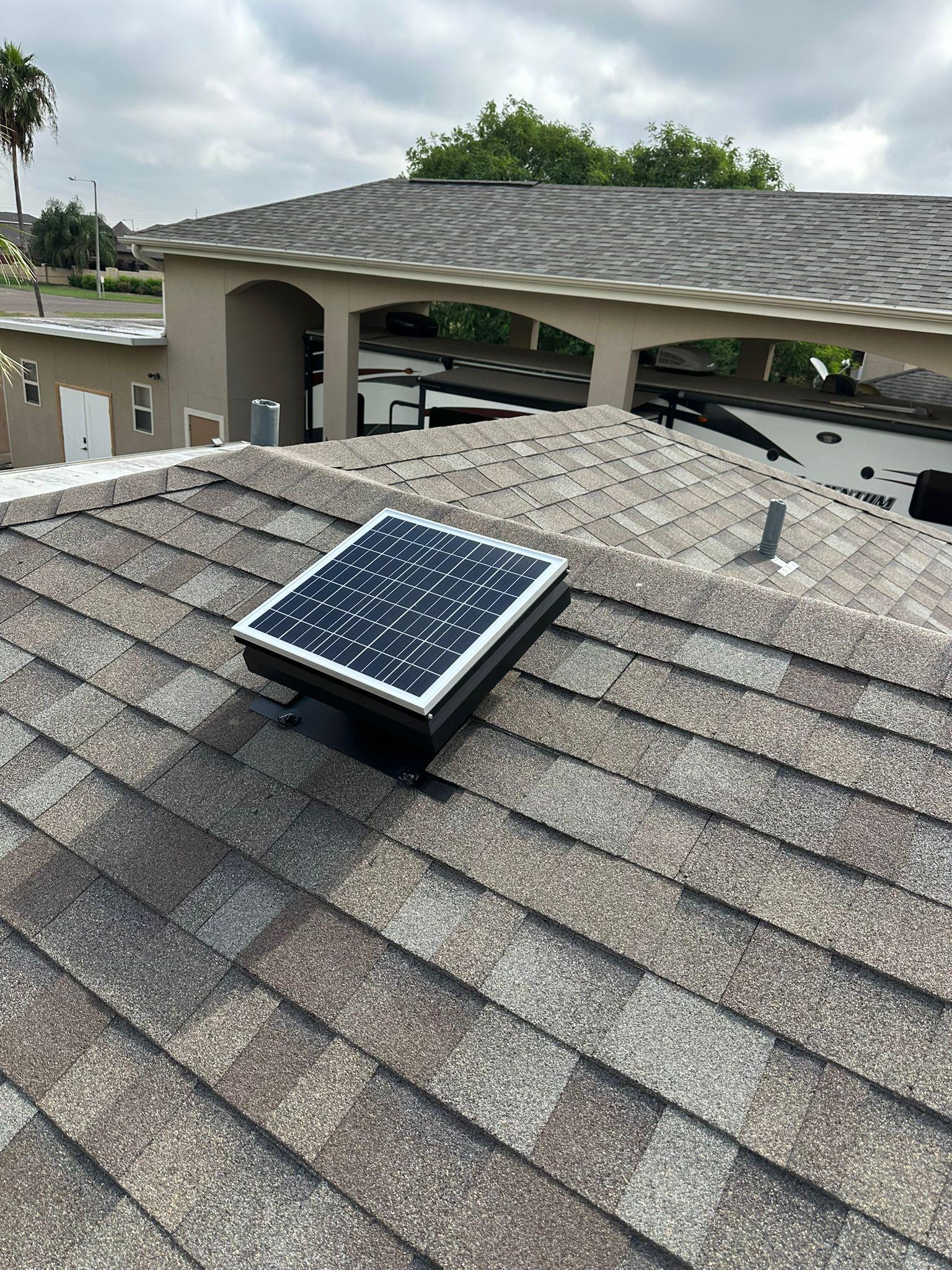
Installation quality, ventilation, materials, and climate matter greatly. For example, poor attic ventilation can prematurely age shingles and increase heat in your home. If you’re unsure about your ventilation, you may want to review options like ridge vents, turtle vents, and solar vents.
“The home’s age equals roof age.”
Often incorrect. Many homes have had one or more roof replacements—especially in storm‑prone parts of Texas.
Our Advice to Homeowners in Texas and South Texas
At XYZ Roofing & Restorations, we encourage homeowners to:
- Know their roof age (or at least a reliable range)
- Keep documentation like permits, invoices, and warranty papers in one place
- Get professional inspections, especially after major hail or wind events
- Update insurance records when you replace your roof
- Plan replacements proactively instead of waiting for emergencies
Roof age is not just a number—it’s a planning tool that helps protect your home, finances, and peace of mind.
Final Thoughts: How to Move Forward
So, how do you know the age of your roof?
The best approach is to:
- Check documents and permits
- Review warranties and contractor invoices
- Use professional inspections when paperwork is missing
Even if you can’t find an exact date, understanding the approximate age and current condition of your roof puts you in control.
Whether you’re dealing with insurance, preparing to sell, or simply planning ahead, knowing your roof’s age helps you make confident, informed decisions—before problems arise.
If you’d like a professional evaluation of your roof’s age, condition, and remaining life, you can:
A short visit and clear documentation today can save you time, money, and stress when the next storm rolls through.