

One of the most common questions homeowners ask is:
“When I replace my roof, am I just replacing the shingles?”
It’s a fair question. Shingles are what you see — and usually what you notice when they’re damaged or aging.
But the truth is: a real roof replacement involves far more than shingles, and understanding that difference helps you make a smart decision about protection, pricing, and long-term performance.
Let’s break it down in simple terms.
A roof is built like a layered defense system. Each component has a job, and shingles are only the outermost layer.
When a professional contractor talks about “replacing your roof,” they mean replacing the entire roofing system, not just installing new shingles.
A complete roofing system includes:
• Roof decking (wood foundation)
• Underlayment
• Ice & water barrier
• Flashing around all penetrations
• Ventilation components
• Starter shingles
• Field shingles
• Ridge caps
• Fasteners & sealants
All of these parts work together to protect your home from leaks, wind, heat, and long-term structural damage.
Learn more: Roofing Services
What Shingles Actually Do
Shingles are designed to:
✔ Protect from UV exposure
✔ Shed water
✔ Resist wind
✔ Improve curb appeal
But shingles do NOT:
❌ Waterproof the roof system on their own
❌ Protect valleys, chimneys, or vents
❌ Prevent moisture without proper underlayment
❌ Fix structural issues below the surface
This is why replacing shingles alone can lead to repeat leaks and early failure.
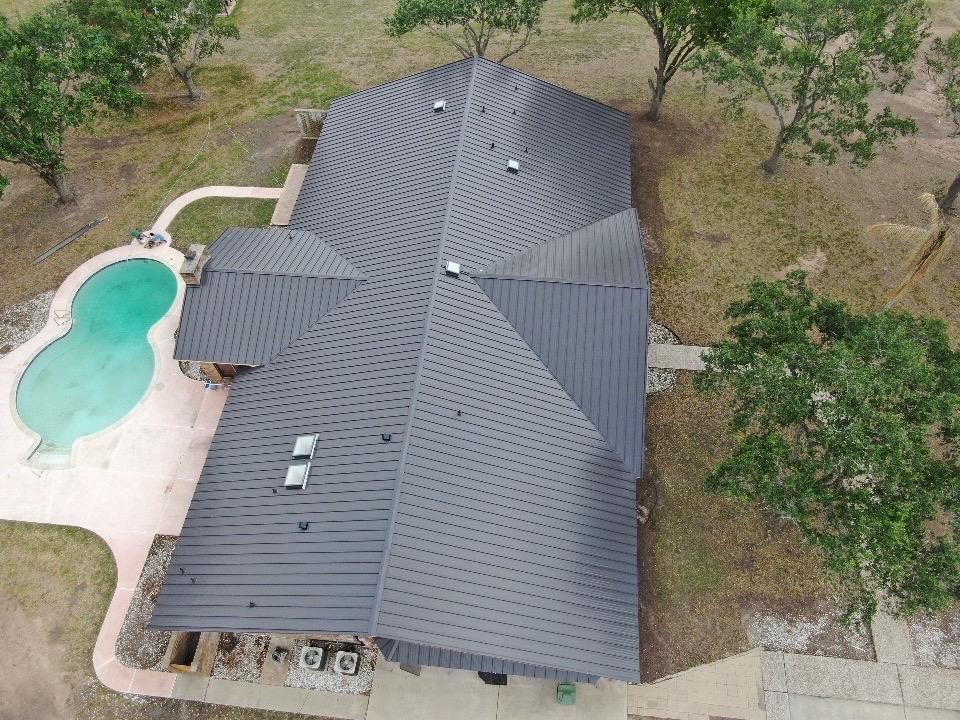
What Happens During a Proper Roof Replacement?
A true roof replacement is a process — not just a material swap.
1. Removal of Old Materials
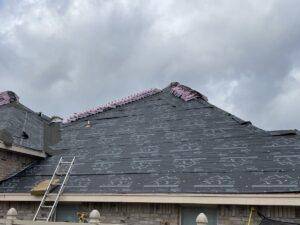
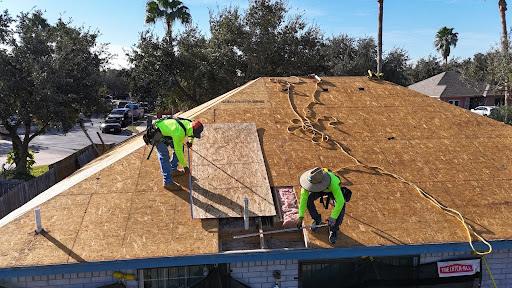
All old shingles, underlayment, flashings, and components are removed to expose the roof deck.
This is critical — underlying issues cannot be fixed if they’re never seen.
2. Inspection of the Roof Deck
The decking is inspected for:
• Wood rot
• Soft spots
• Mold or moisture damage
Any damaged decking MUST be replaced.
Installing new shingles over failing wood shortens the life of the new roof and may void warranties.
3. Installation of Underlayment
Underlayment is a waterproof barrier installed between decking and shingles.
Modern synthetic underlayment:
✔ Protects the home if shingles blow off
✔ Prevents leaks
✔ Resists moisture during installation
This is one of the most important layers of your roof.
4. Ice & Water Protection
This membrane is installed in vulnerable areas such as:
• Valleys
• Eaves
• Chimneys
• Skylights
• Roof penetrations
These areas are leak-prone — ignoring them is a major shortcut.
5. Flashing Replacement
Flashing directs water away from vulnerable transitions.
Reusing old flashing is a leading cause of leaks.
A proper roof replacement ALWAYS includes new flashing.
6. Ventilation Review
Roof ventilation impacts:
✔ Shingle lifespan
✔ Energy efficiency
✔ Attic moisture
✔ Warranty compliance
Professional contractors assess and upgrade ventilation as needed — shingles alone cannot fix ventilation problems.
7. Shingle Installation
Only after all underlying components are installed do shingles go on.
At this stage, shingles serve as the final protective and aesthetic layer.
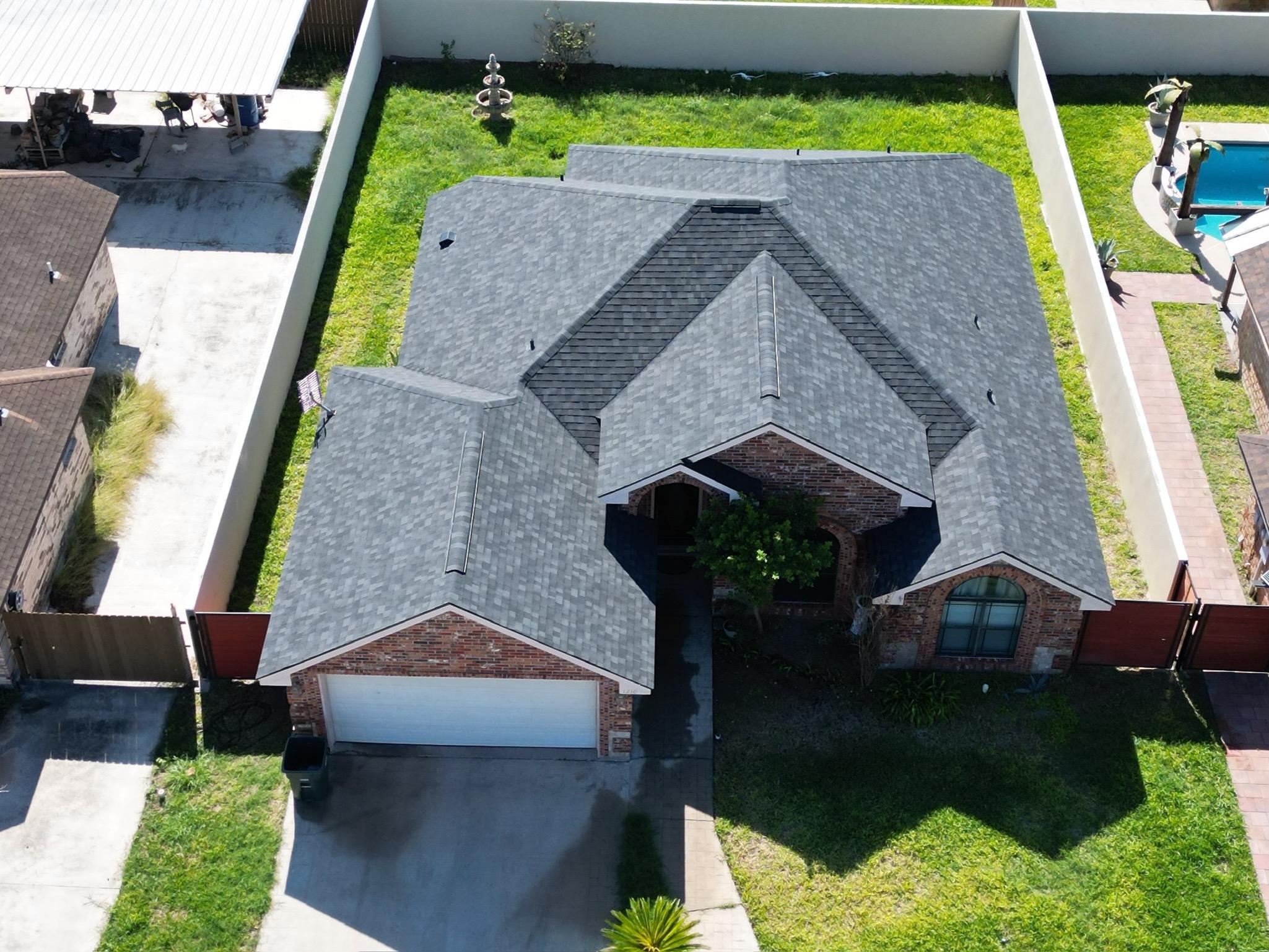
When Is It Just a Shingle Replacement?
This is only appropriate when:
• Damage is limited to one small area
• The roof is fairly new
• Underlayment and decking are still in excellent shape
This is considered a repair, not a replacement.
A reputable contractor will tell you the difference — not oversell the job.
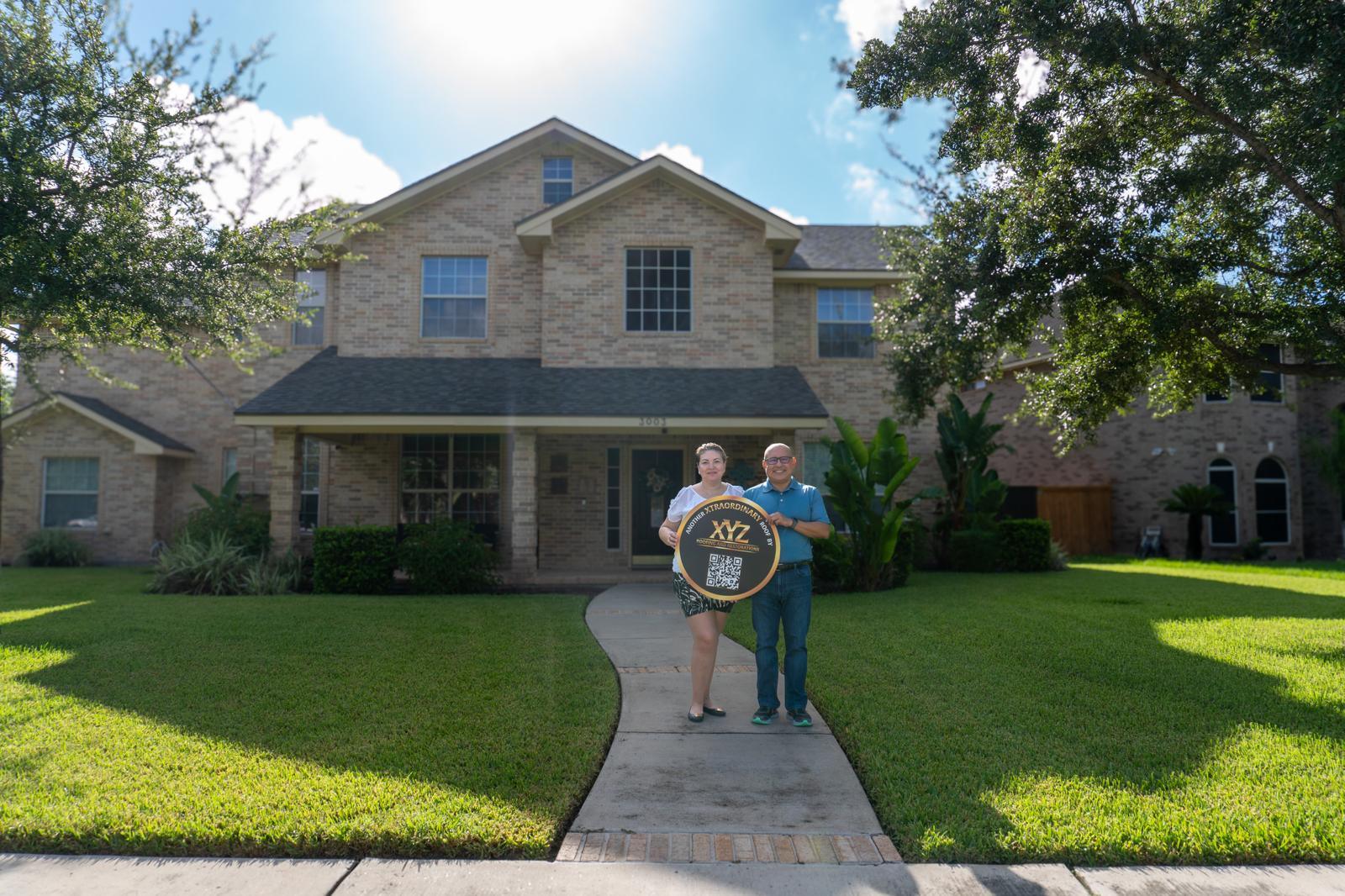
Why “Shingles Only” Thinking Can Be Risky
Homeowners who replace shingles without addressing the system may experience:
❌ Recurring leaks
❌ Mold or moisture damage
❌ Wood rot
❌ Warranty denial
❌ Shortened roof lifespan
❌ Poor ventilation problems
Manufacturer warranties require:
✔ Approved underlayment
✔ Proper ventilation
✔ New flashing
✔ Certified installation
Ignoring these items can cancel warranty coverage entirely.
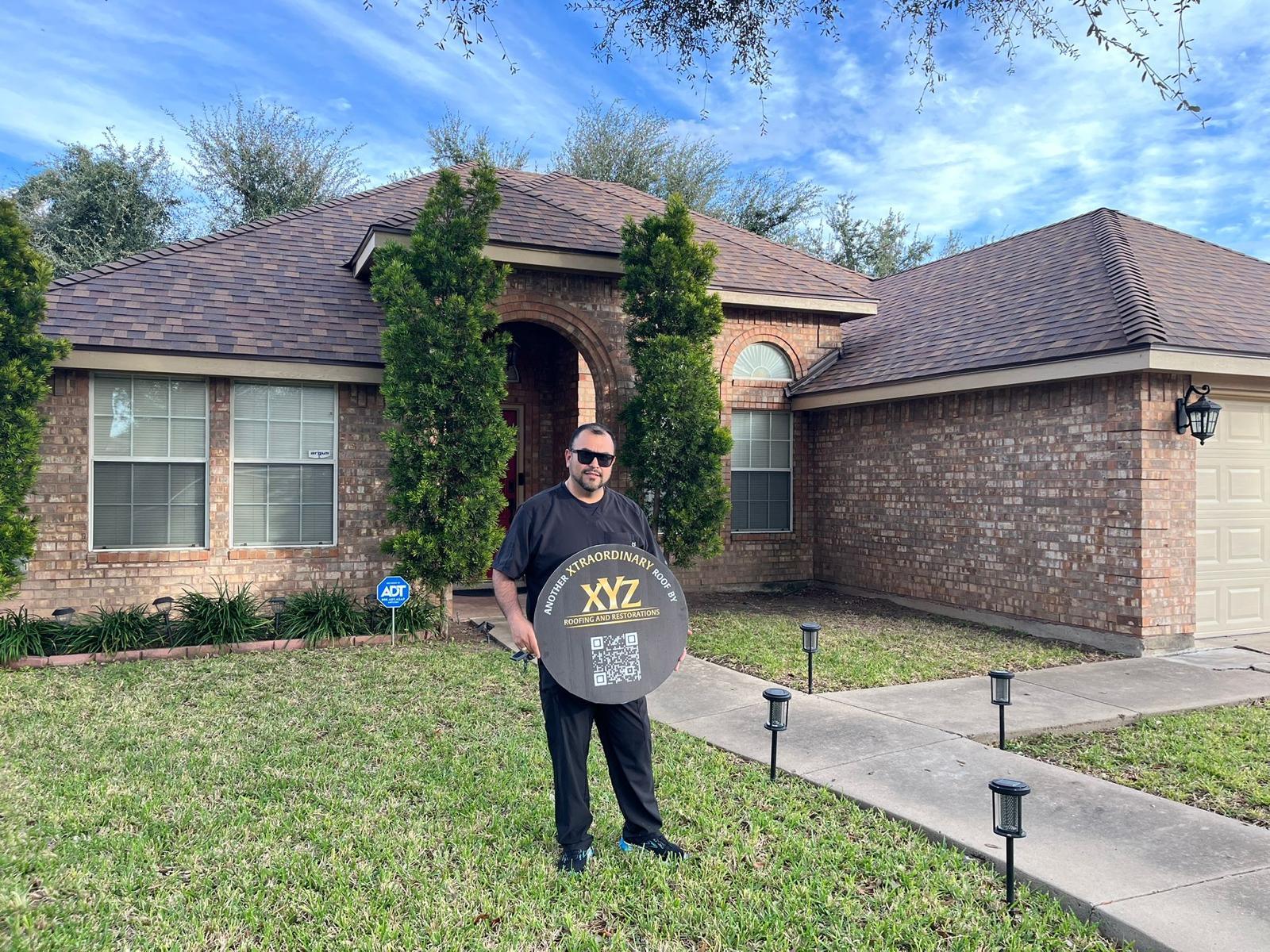
Why Roof Pricing Varies So Much
Two homes of the same size can have different roof prices based on:
• Decking replacement
• Ventilation upgrades
• Roof complexity
• Flashing needs
• Material quality
• Labor standards
If a quote seems unusually low, it may mean:
❌ They’re only installing shingles
❌ They’re not including flashing or underlayment
❌ They’re not replacing damaged wood
❌ They’re skipping ventilation upgrades
Low prices often hide major shortcuts.
What Homeowners Should Ask Their Roofer Before Replacing Their Roof
Ask your roofer:
-
What layers are included in the replacement?
-
Will damaged decking be replaced?
-
Are you installing new flashing?
-
Is ventilation being evaluated?
-
Does this meet manufacturer warranty standards?
Clear, confident answers = professional contractor.
Vague answers = walk away.
Our Approach to Roof Replacement
At XYZ Roofing & Restorations, we replace roof systems, not just shingles.
Our process ensures:
✔ Proper protection
✔ Manufacturer-approved installation
✔ Long-term performance
✔ Warranty compliance
✔ Homeowner peace of mind
Shingles matter — but what’s underneath matters even more.
Ready to understand what your home really needs?
Instant Roof Quote
Schedule a Free Inspection
Final Thoughts
So, does replacing your roof only mean replacing your shingles?
No.
Shingles are just one part of a much larger, carefully engineered system.
A true roof replacement addresses every layer that protects your home.
If you want long-lasting protection — not just a temporary fix — choose a contractor who understands and replaces the entire roofing system.
Your roof isn’t just a surface.
It’s protection.
And it deserves to be treated that way.
Be Xtraordinary. Protect What Matters.