
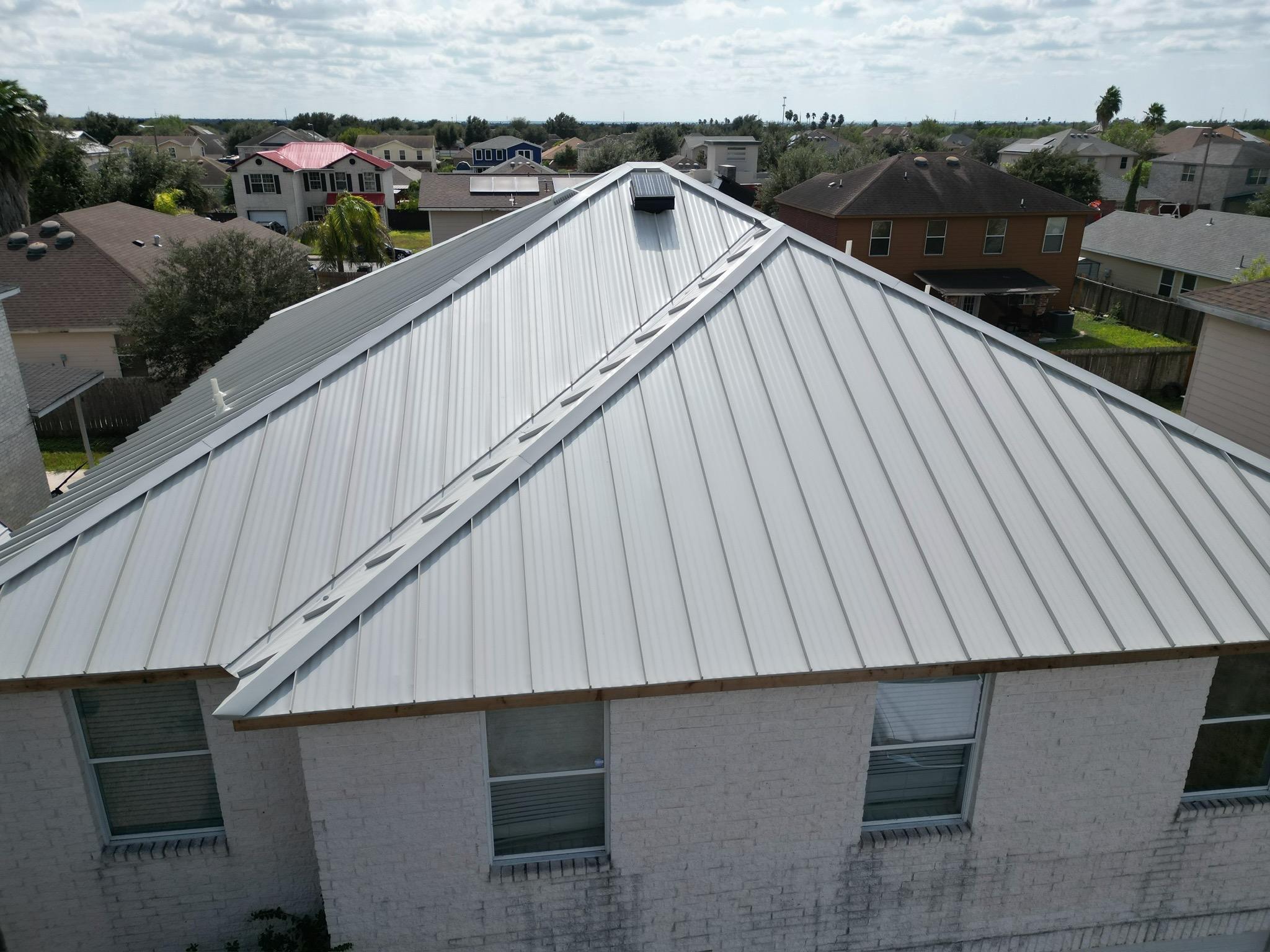
What Homeowners in Texas Should Know About Insurance, Risk & Long-Term Value
Homeowners considering a metal roof often ask an important question before making the investment:
“Will my insurance go up if I install a metal roof?”
It’s a smart question. Insurance premiums are a significant ongoing cost, and no one wants an unexpected increase after upgrading their home. The good news is that installing a metal roof usually does NOT cause insurance rates to increase—and in many cases, it can actually improve your insurance profile.
Let’s break down how insurance companies view metal roofs, what really affects premiums, and what homeowners should expect.
The Short Answer: Usually No — and Sometimes It Helps
In most cases, installing a metal roof does not increase your homeowners insurance premium.
Because metal roofs are durable, fire-resistant, and long-lasting, many insurance carriers view them as lower risk than older or deteriorating roofing systems.
That said, insurance is never one-size-fits-all. The impact depends on:
- Your insurance carrier
- Your location and weather exposure
- The type of metal roof installed
- Installation quality and code compliance
- Your home’s overall risk profile
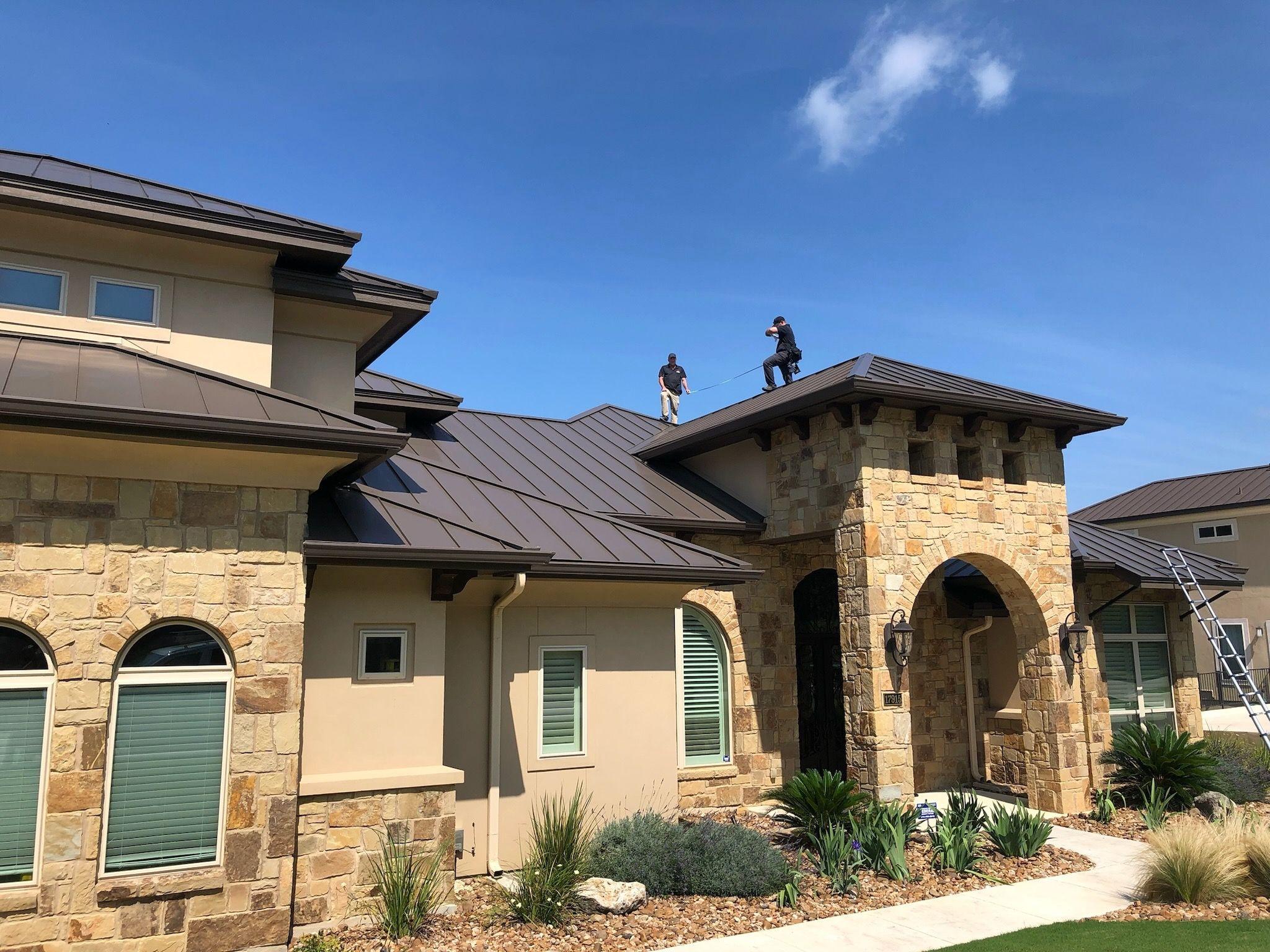
Why Insurance Companies Care So Much About Your Roof
From an insurance perspective, the roof is one of the most important systems on your home.
A roof directly affects:
- Water intrusion risk
- Wind and storm damage
- Fire exposure
- Claim frequency and severity
Stronger roofs generally mean fewer claims, which insurers prefer.
How Insurance Companies View Metal Roofs
1. Durability and Longevity
Metal roofs often last 40–70+ years, significantly longer than traditional shingles.
Insurance companies know:
- Newer roofs = lower claim probability
- Metal roofs age more slowly
- Long service life reduces underwriting risk
2. Wind Resistance
Properly installed metal roofs—especially standing seam systems—perform extremely well in high winds.
This matters in areas prone to:
- Severe storms
- Tropical systems
- Straight-line winds
Improved wind resistance often translates to lower risk exposure for insurers.
3. Fire Resistance
Metal roofs are non-combustible and typically carry a Class A fire rating.
In insurance terms, that means:
- Reduced fire-related loss risk
- Stronger underwriting profile
- Favorable evaluation compared to combustible materials
4. Lower Maintenance Risk
Metal roofs are less prone to:
- Cracking or curling
- Granule loss
- Frequent patch repairs
Fewer failures = fewer claims.
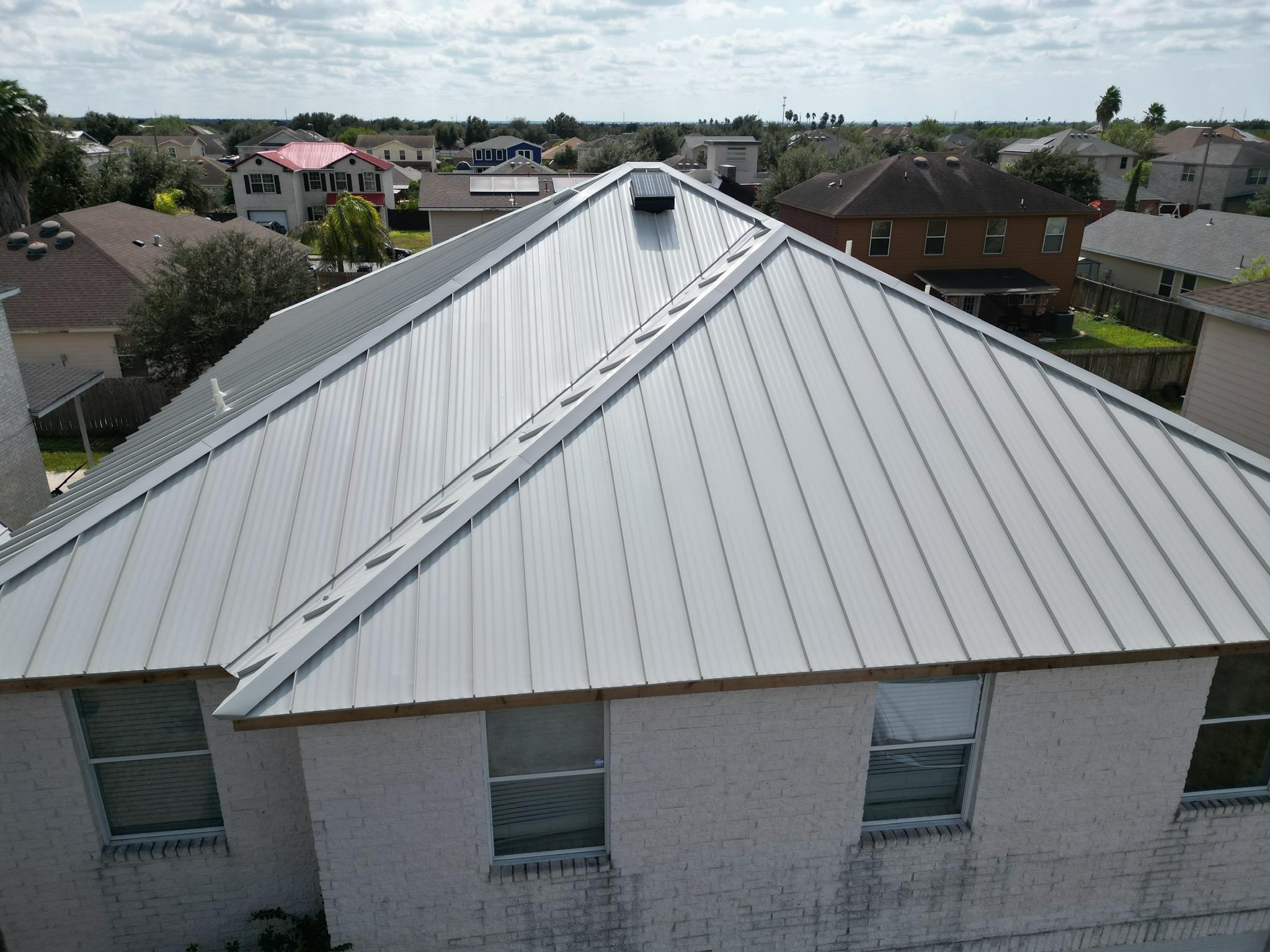
Can a Metal Roof Lower My Insurance?
Sometimes — but it depends on the carrier.
Some insurers may offer:
- Fire-resistant roofing discounts
- Favorable underwriting consideration
- Reduced scrutiny compared to older shingle roofs
Others may not offer a direct discount but still view the roof positively.
Important takeaway: a metal roof rarely causes a premium increase on its own.
What Matters More Than Roof Material
Roof material alone does not determine insurance cost.
Insurers also evaluate:
- Roof age
- Installation quality
- Roof complexity and geometry
- Local weather history
- Claim history of the home
- Coverage limits and deductibles
A poorly installed metal roof can create more issues than a properly installed shingle roof.
Installation Quality Matters More Than the Material
Insurance companies care deeply about how the roof is installed.
A properly installed metal roof:
- Meets local building codes
- Uses correct underlayment
- Has proper fastening systems
- Includes compliant flashing and ventilation
Improper installation can:
- Void warranties
- Increase leak risk
- Lead to claim disputes
Related reading:
Do I Need a Permit to Replace My Roof?
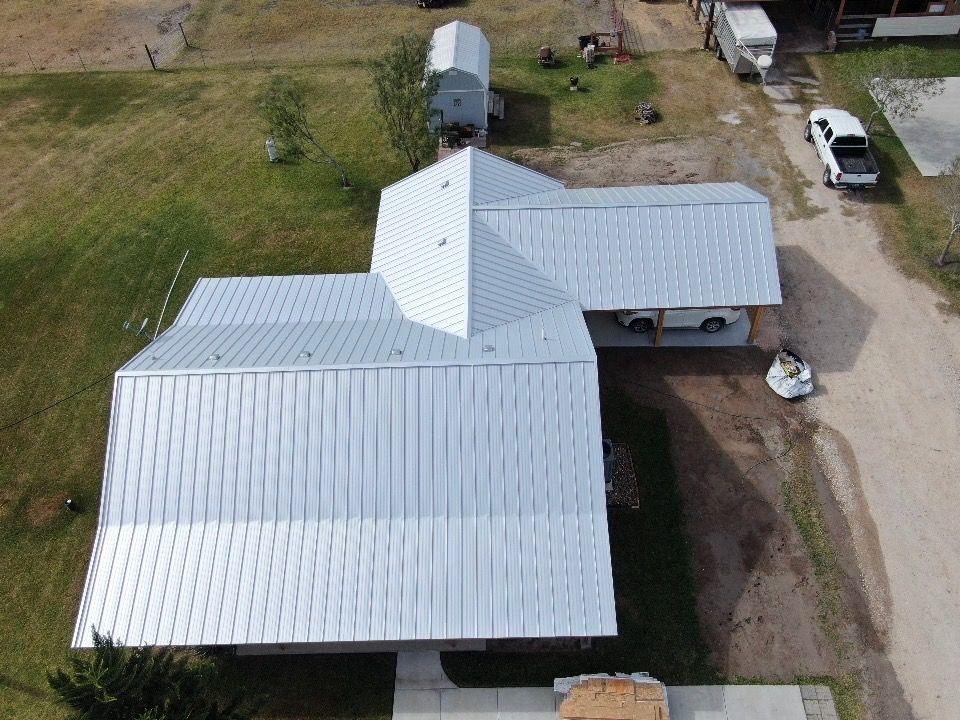
Standing Seam vs. Exposed Fastener Metal Roofs
Standing Seam Metal Roofs
- Hidden fasteners
- Better water resistance
- Higher wind performance
- Preferred by many insurers
- Higher upfront cost
Exposed Fastener Metal Roofs
- Visible screws
- More maintenance over time
- Fasteners can loosen or degrade
- Still durable, but higher long-term risk
Standing seam systems are often viewed more favorably from an insurance standpoint.
Will My Insurance Go Up Because My Home Value Increased?
This is a key distinction.
A metal roof may increase your home’s replacement cost, which can slightly adjust premiums. That increase is not due to risk—it reflects higher rebuild value.
Often, this is offset by:
- Reduced claim likelihood
- Longer roof lifespan
- Improved underwriting stability
How Claims Work With Metal Roofs
Claims are still handled normally.
Insurance coverage depends on:
- Storm severity
- Structural vs. cosmetic damage
- Policy language
Metal roofs often perform so well that claims occur less frequently, which benefits homeowners over time.
Related reading:
Will My Insurance Go Up If I Open a Roof Claim?
Should You Notify Your Insurance Company?
Yes — absolutely.
After installing a metal roof:
- Notify your carrier
- Provide documentation
- Update roof age and material
This ensures:
- Accurate coverage
- Fewer claim disputes
- Proper underwriting
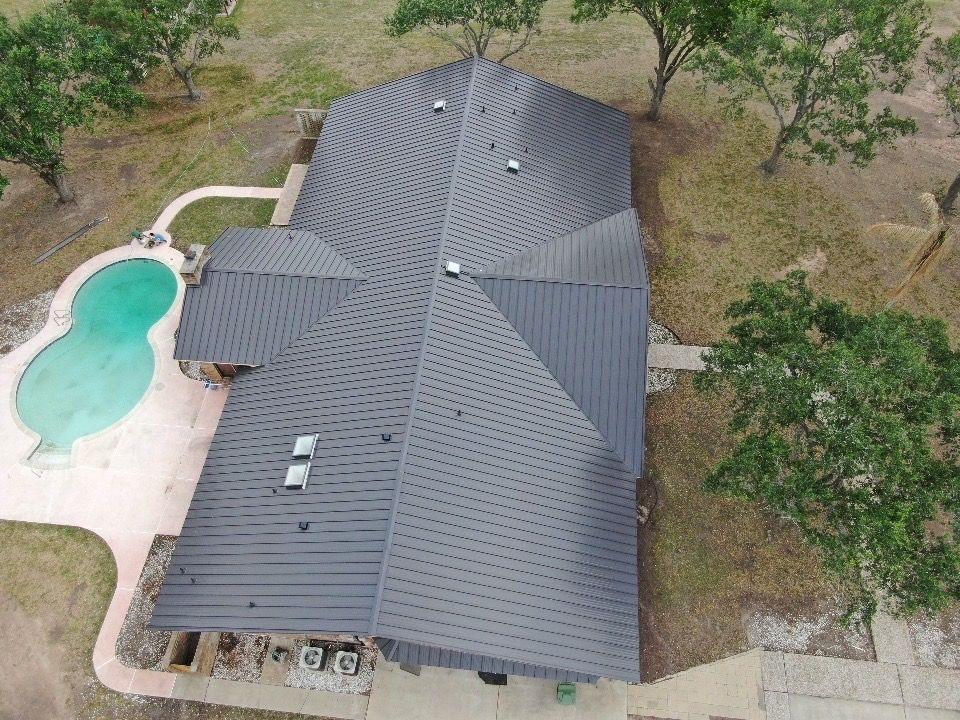
Common Myths About Metal Roofs & Insurance
- “Metal roofs always raise insurance rates.” False
- “Insurance doesn’t like metal roofs.” Incorrect
- “Claims are harder with metal.” Not true
- “Metal roofs are cosmetic upgrades.” They’re functional systems
Long-Term Insurance Benefits of a Metal Roof
Over time, a metal roof can:
- Reduce claim frequency
- Improve insurability
- Help avoid non-renewals due to roof age
- Provide underwriting stability
Get an Instant Roof Quote
Thinking about a metal roof and want clear numbers?
Get an Instant Roof Quote:
https://xyzroofingandrestorations.com/instant-roof-quote/
Final Thoughts
So, does your insurance go up if you install a metal roof?
In most cases, no — and sometimes it can even help.
Insurance companies focus on:
- Risk reduction
- Durability
- Longevity
- Installation quality
A properly installed metal roof checks all the right boxes.
A roof that protects your home better usually protects your insurance profile too.