
What Coastal Texas Homeowners Need to Know About Insurance & Compliance
If you live in a coastal county in Texas and are planning to replace your roof, you may be wondering:
“Do I need a windstorm certification for my roof?”
For most coastal Texas homeowners, the answer is yes — and it’s extremely important, especially when it comes to insurance coverage, claim approval, and legal compliance.
Windstorm certification isn’t just paperwork. It can directly determine whether your home qualifies for windstorm insurance, whether future claims are paid, and whether your roof meets Texas building requirements.
This guide explains what windstorm certification is, when it’s required, and why it protects you as a homeowner.
What Is a Windstorm Certification?
A windstorm certification is official documentation confirming that your roof was installed to meet Texas windstorm building codes.
In Texas, this certification is typically issued through:
- The Texas Windstorm Insurance Association (TWIA)
- Or a state-approved third-party windstorm inspector
The most common document is the WPI-8 certificate.
This certificate verifies that:
- Windstorm-rated materials were used
- Proper fastening and installation methods were followed
- The roof meets Texas Department of Insurance (TDI) standards
Why Windstorm Certification Exists in Texas
Texas coastal counties are especially vulnerable to:
- Hurricanes
- Tropical storms
- High straight-line winds
Because of this risk, the state enforces stricter construction standards to reduce catastrophic losses.
Windstorm certification exists to:
- Protect homeowners
- Reduce insurance losses
- Ensure proper construction practices
- Maintain insurability in high-risk coastal areas
Who Needs a Windstorm Certification?
If your home is located in a designated Texas coastal county, you almost certainly need one.
You typically need windstorm certification if you:
- Replace your roof
- Perform major roof repairs
- Build or remodel a home
- Renew or obtain windstorm insurance
Without certification, your home may not qualify for windstorm coverage.
How Windstorm Certification Affects Your Insurance
This is where certification becomes critical.
Windstorm Insurance Is Separate
In many coastal areas, standard homeowners insurance does not cover wind or hail damage.
Coverage often comes from:
- TWIA
- Or a private windstorm insurance policy
To obtain or keep this coverage, your roof must be windstorm certified.
Without Certification, You Risk:
- Denied windstorm coverage
- Insurance claim denials
- Loss of TWIA eligibility
- Higher premiums or limited policies
If storm damage occurs and your roof lacks certification, insurers may legally deny your claim.
For related guidance, see:
When Is Windstorm Certification Required?
Certification is commonly required when:
- A new roof is installed
- A full roof replacement occurs
- Structural roof components are repaired
- Insurance policies are renewed after major work
Certification is not automatic — it must be requested, inspected, and approved.
How the Windstorm Inspection Process Works
1. Code-Compliant Installation
The roof must be installed according to:
- Texas windstorm codes
- Manufacturer specifications
- Local building requirements
Not all contractors are qualified to do this correctly.
2. Inspection During Installation
An inspector may evaluate:
- Decking attachment
- Underlayment
- Fastening patterns
- Shingle installation
- Final roof assembly
3. Issuance of the WPI-8 Certificate
Once approved, the WPI-8 certificate is issued and becomes:
- Proof of compliance
- A requirement for windstorm insurance
- Protection for future claims
Who Is Responsible for Obtaining the Certification?
Ultimately:
- The homeowner is responsible for having certification
- A professional roofer should guide and coordinate the process
A reputable contractor will:
- Confirm if certification is required
- Coordinate inspections
- Install to windstorm standards
- Provide proper documentation
If a contractor avoids discussing windstorm certification, that’s a red flag.
What Happens If You Skip Windstorm Certification?
Skipping certification can lead to:
- Loss of windstorm insurance eligibility
- Claim denials after storms
- Delays when selling your home
- Being forced to redo roof work
- Higher insurance costs
Many homeowners don’t realize there’s an issue until after a storm, when it’s too late.
Does Windstorm Certification Increase Roof Cost?
There may be a modest additional cost due to:
- Inspection fees
- Enhanced fastening requirements
- Higher-grade materials
- More labor-intensive installation
However, this cost is often far less than:
- Paying out-of-pocket after a denied claim
- Losing insurance eligibility
- Replacing a roof twice
How Long Does a Windstorm Certificate Last?
A windstorm certificate applies to the specific roof installation.
It remains valid unless:
- The roof is altered improperly
- Non-compliant repairs are made
- The roof is replaced again
Keep the certificate with your home records — insurers may request it at any time.
Common Windstorm Certification Myths
- “My roofer said I don’t need it.”
Often incorrect in coastal counties. - “The city inspection is enough.”
City inspections ≠ windstorm certification. - “Insurance didn’t ask before.”
Requirements change, especially after storms.
Our Approach for Coastal Texas Homeowners
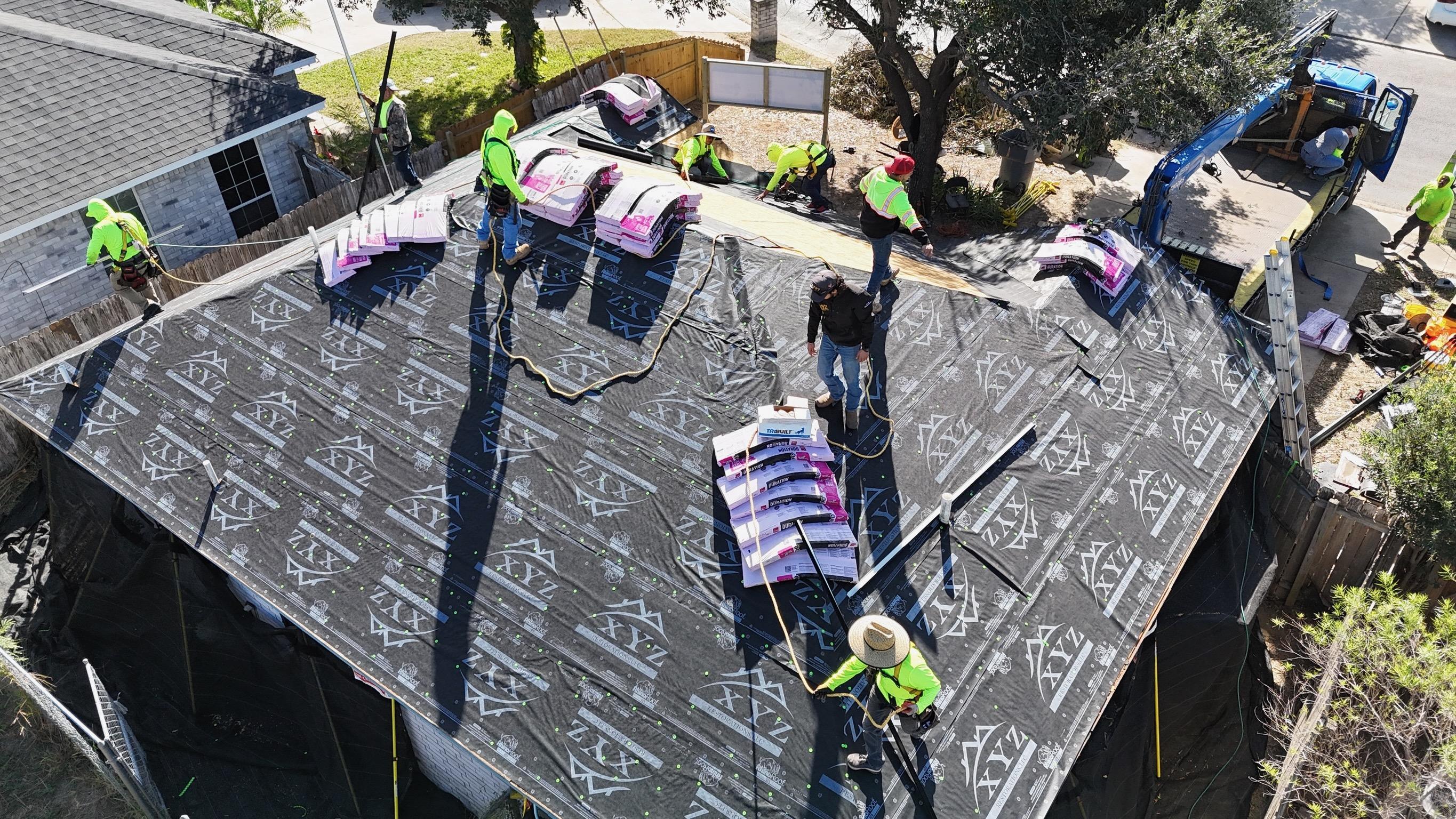
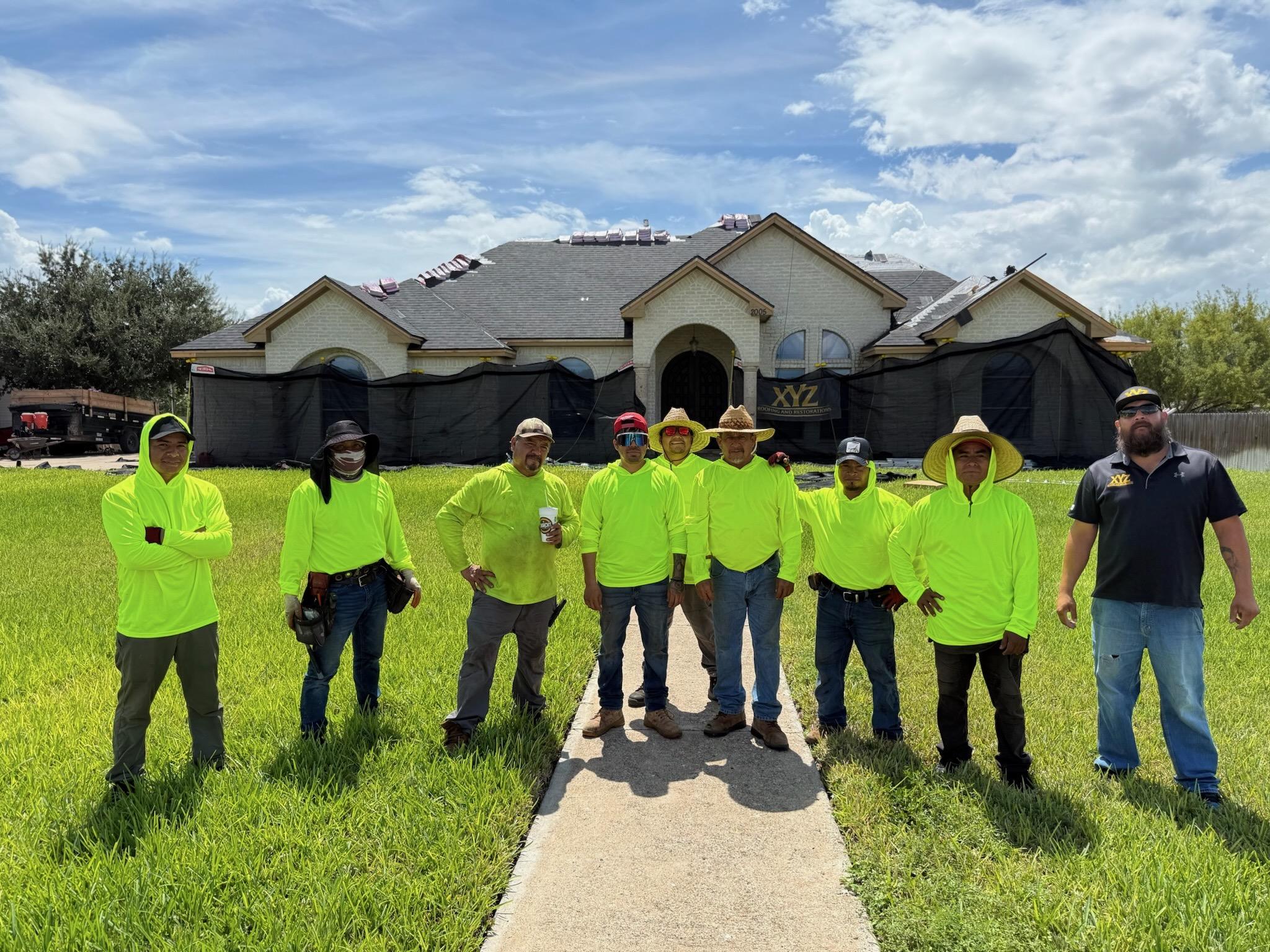
At XYZ Roofing & Restorations, we regularly work in coastal Texas areas and treat windstorm compliance as essential.
Our process includes:
- Verifying certification requirements
- Installing roofs to windstorm standards
- Coordinating inspections
- Ensuring proper documentation
- Protecting insurance eligibility
If you’re unsure about your roof, you can also start with our
Instant Roof Quote Tool
https://xyzroofingandrestorations.com/
It provides a transparent starting point before inspections begin.
Final Thoughts
If you live in a coastal Texas county, windstorm certification is not optional — it’s a critical part of protecting your home and insurance coverage.
Windstorm certification:
- Protects your roof
- Protects your insurance
- Protects your financial future
The real risk isn’t the inspection — it’s skipping it.