

Understanding Roof Color, Heat, and the Importance of Proper Attic Ventilation
One of the most common questions homeowners ask when choosing a new roof is:
“If I install dark-colored shingles, will my house get hotter?”
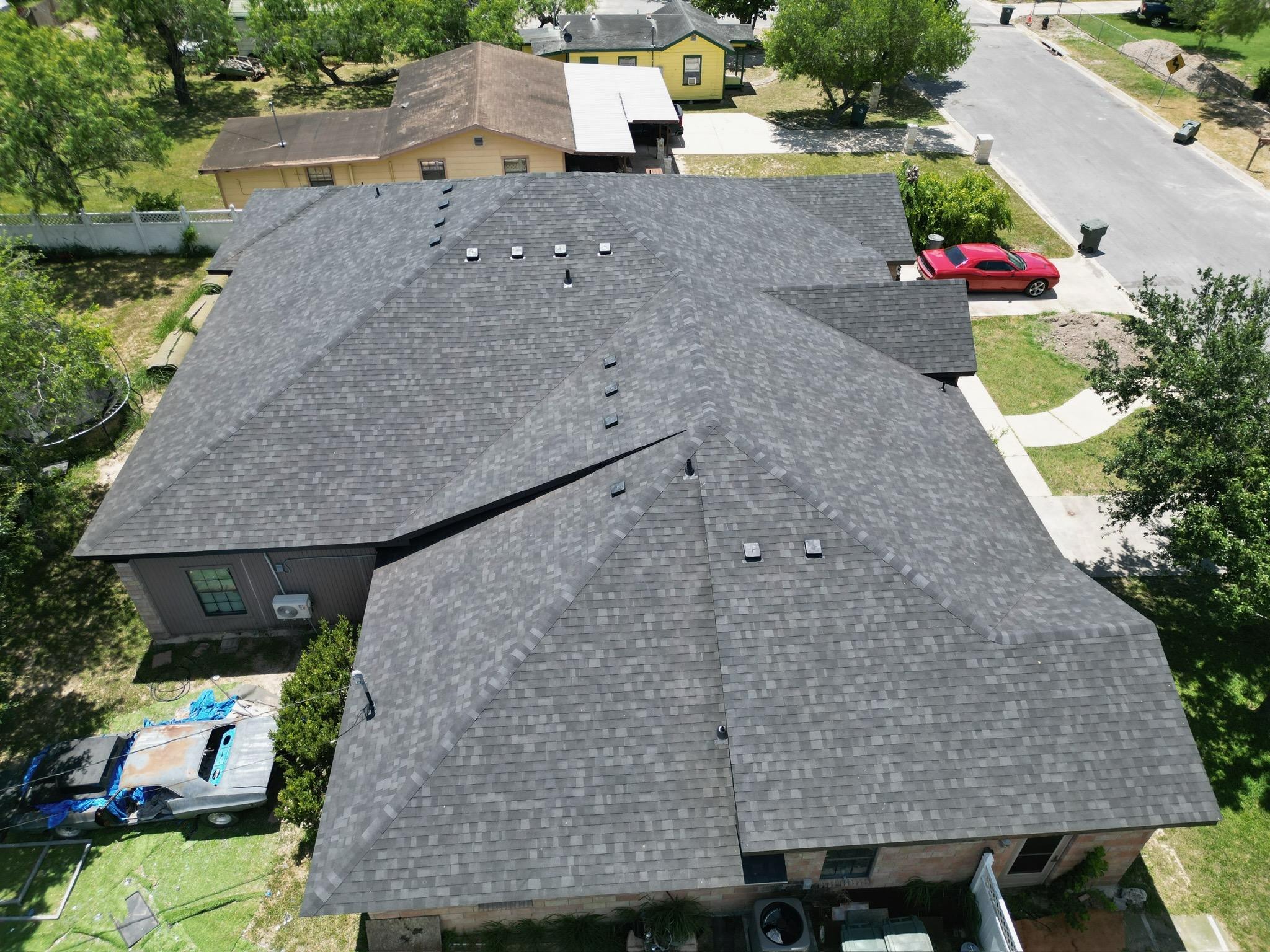
It’s a valid concern—especially in warm climates like South Texas. Dark colors absorb more heat than light colors, so it’s easy to assume a dark roof automatically leads to higher indoor temperatures and increased energy bills.
The reality is more nuanced.
Roof color matters—but attic ventilation matters far more.
In this guide, we’ll explain how roof color affects heat, what really causes homes to feel hotter, and why proper attic ventilation is the most important factor in controlling comfort, efficiency, and roof performance.
The Short Answer: Dark Shingles Absorb More Heat—But They Don’t Automatically Make Your Home Hotter
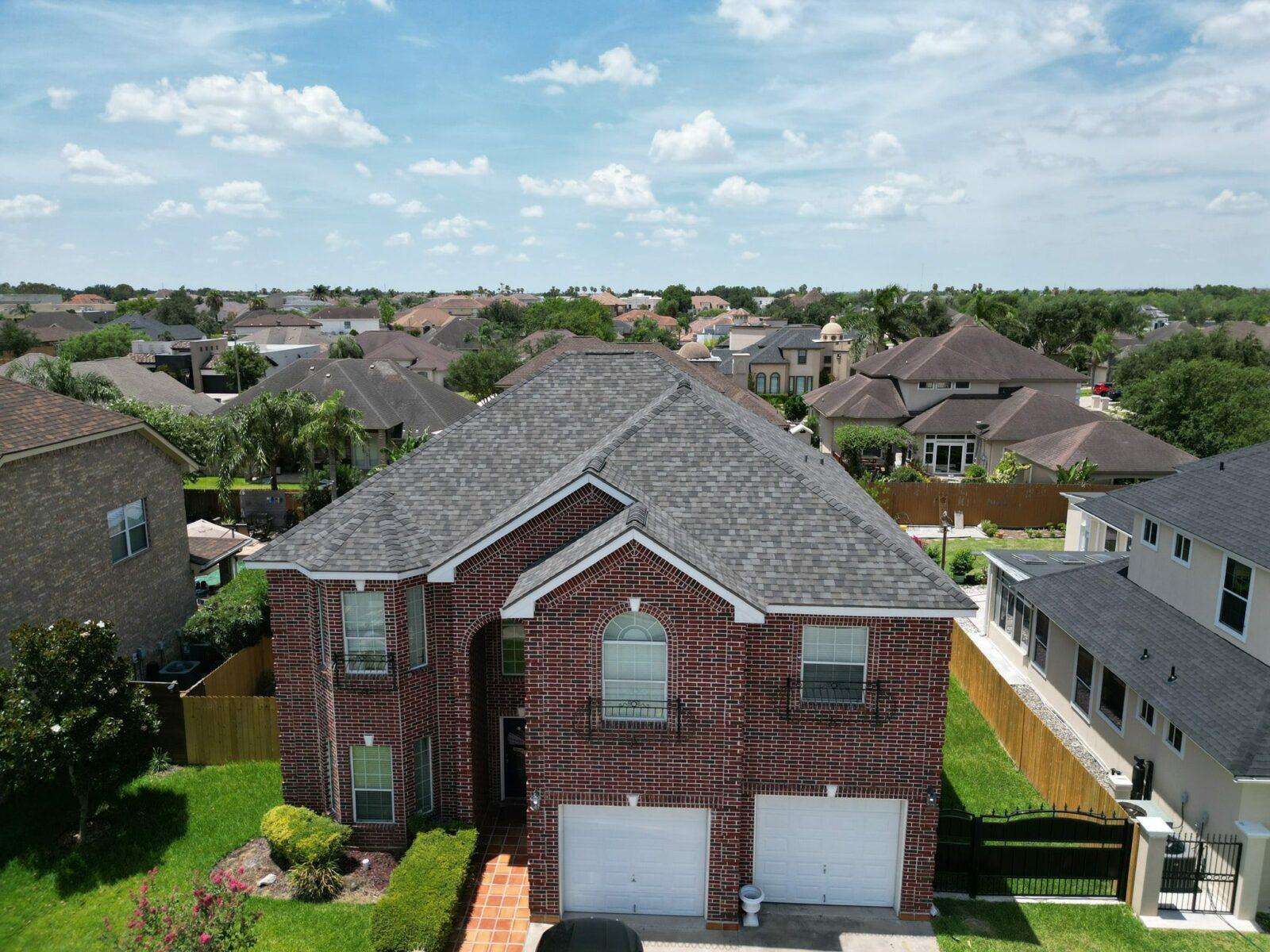
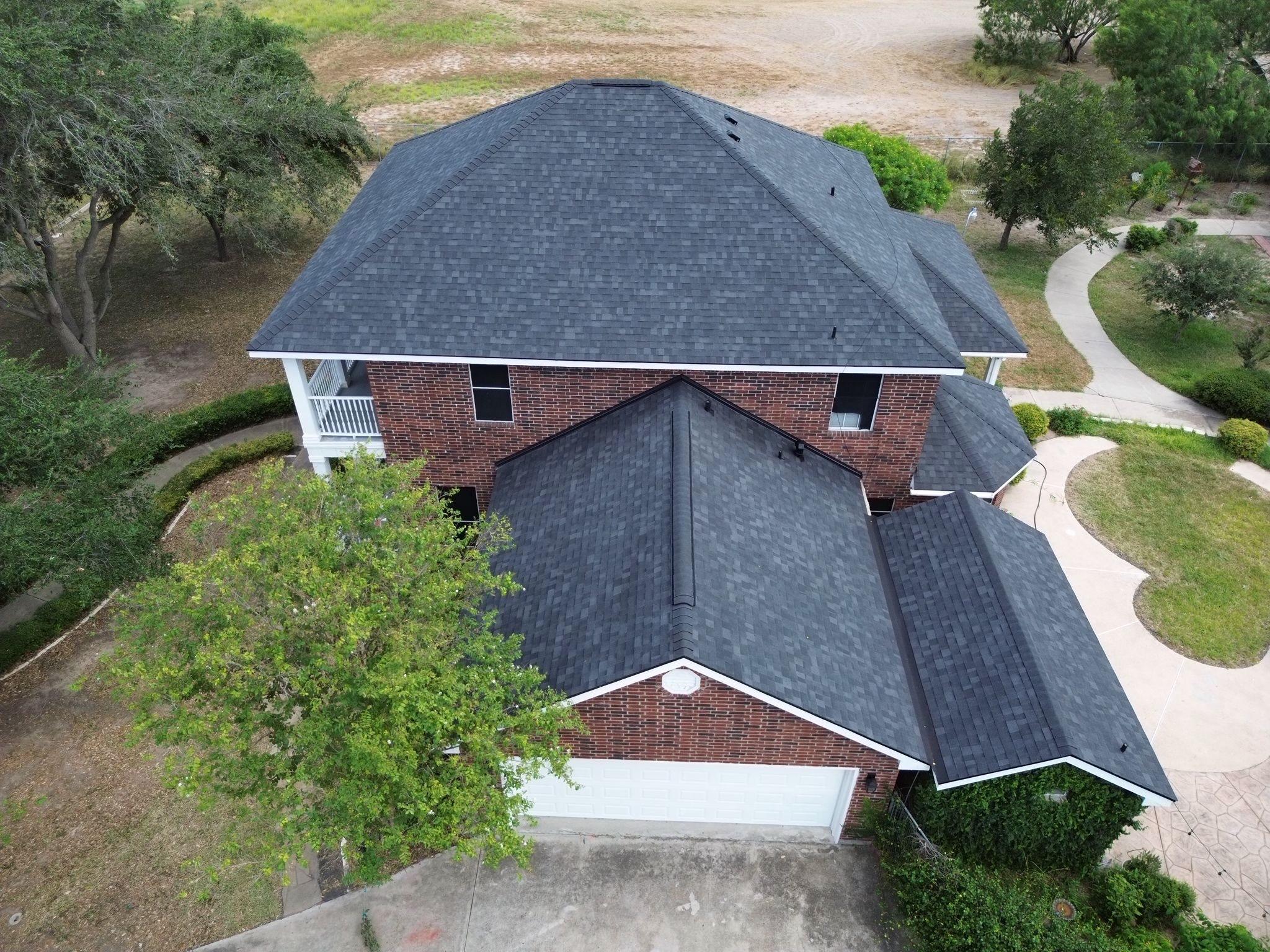
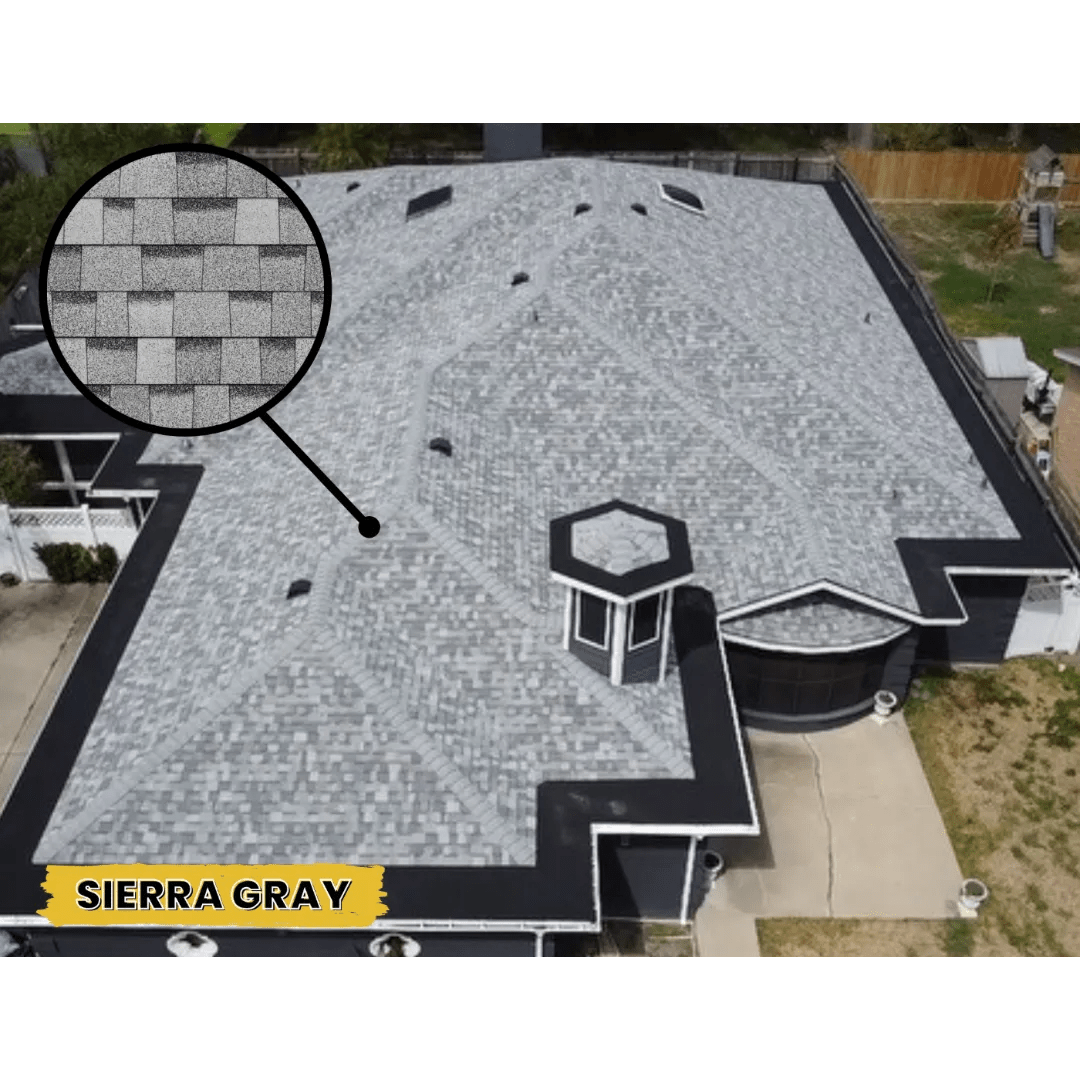
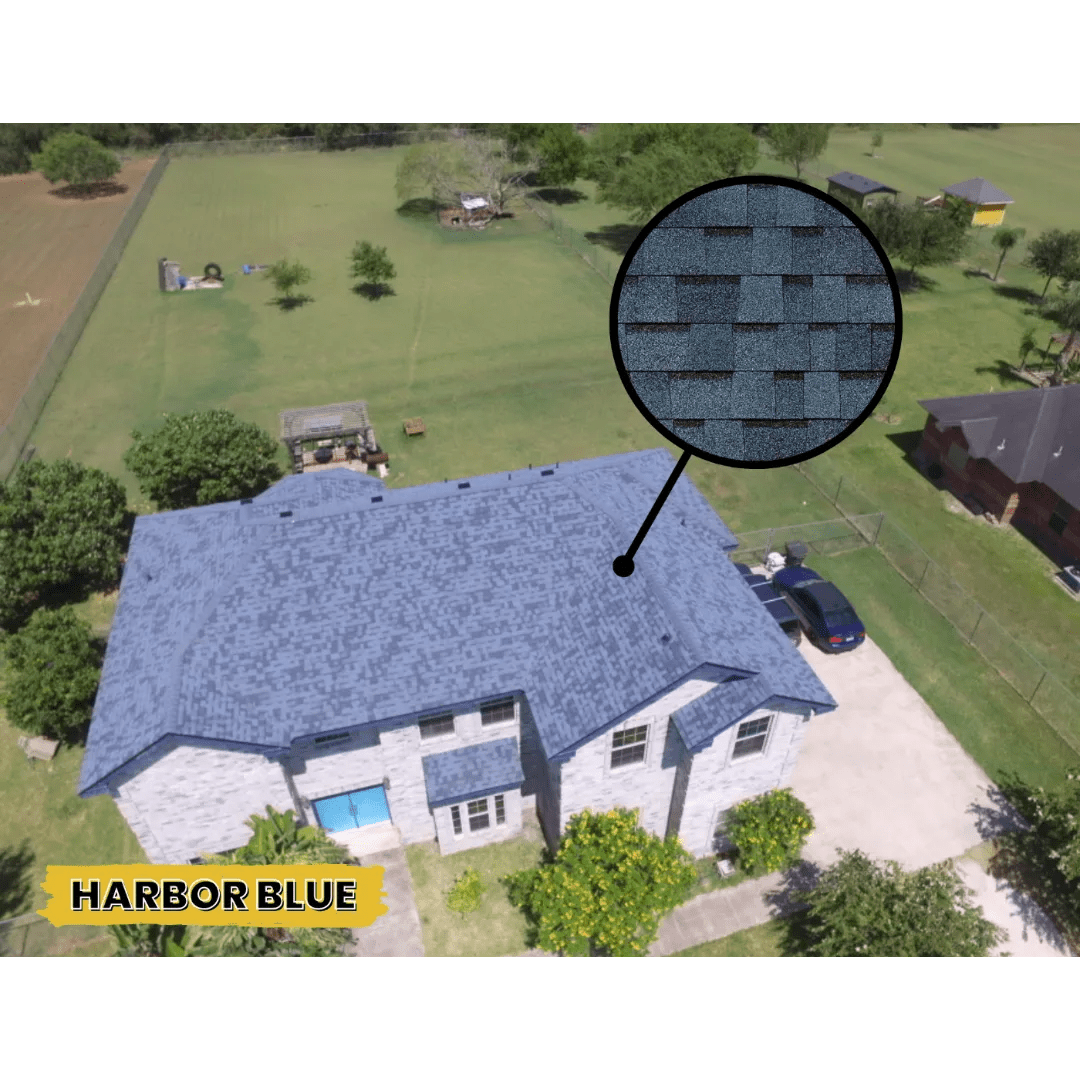
Yes, dark-colored shingles absorb more solar heat than lighter-colored shingles. That’s basic physics.
However, your indoor temperature is not controlled by shingles alone. What truly determines whether heat transfers into your living space includes:
- Attic ventilation
- Insulation
- Overall roof system design
As explained in Does Replacing My Roof Only Mean Replacing the Shingles?, a roof functions as a system—not just a surface layer.
What Actually Happens When the Sun Hits Your Roof
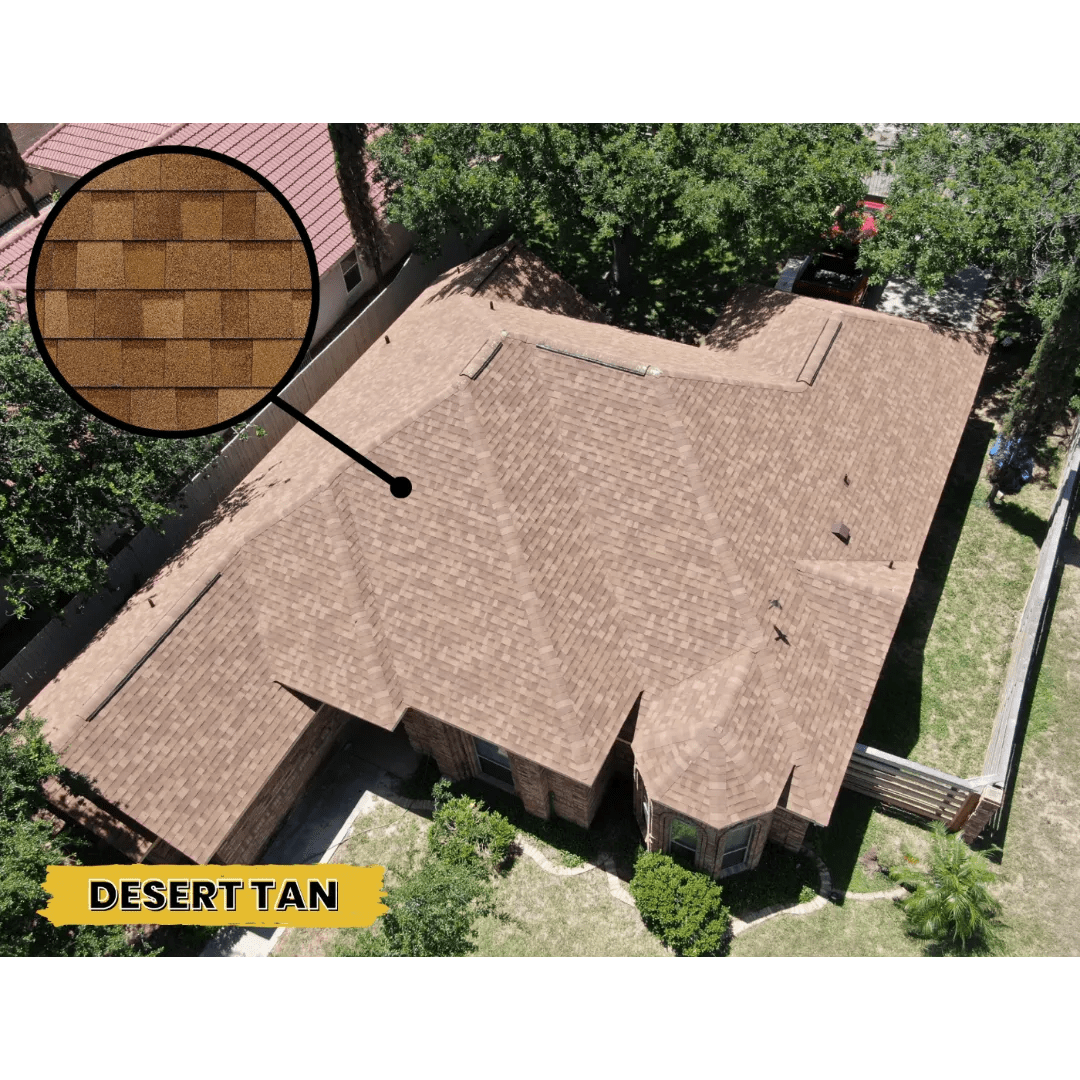
When sunlight hits your roof:
- Dark shingles absorb more solar energy
- Light shingles reflect more sunlight
Here’s the key point many homeowners don’t realize:
👉 Most of that heat stays on the roof surface and in the attic—not inside your home—when the system is built correctly.
Your attic acts as a buffer zone between your roof and living space. How effective that buffer is depends almost entirely on airflow and insulation.
Why Attic Ventilation Matters More Than Shingle Color
Attic ventilation is designed to:
- Remove trapped hot air
- Promote airflow
- Reduce heat buildup
- Control moisture
- Protect roofing materials
Without proper ventilation, any roof—light or dark—can cause heat issues.
With balanced ventilation, even dark-colored shingles can perform efficiently for decades.
What Happens in a Poorly Ventilated Attic
In an attic with inadequate ventilation:
- Hot air becomes trapped
- Temperatures can exceed 140–160°F
- Heat radiates into living areas
- Air conditioning works harder
- Energy bills rise
- Shingles age prematurely
Many homeowners blame shingle color, when the real problem is poor airflow.
How Proper Attic Ventilation Works
A balanced attic ventilation system follows one simple rule:
Intake + Exhaust = Heat Control
- Intake vents (soffit or eave vents) bring in cooler outside air
- Exhaust vents (ridge vents or roof vents) allow hot air to escape
This continuous airflow prevents heat buildup and protects the roof system.
Ventilation upgrades are often addressed during roof replacement, which is why understanding How Long Will My Roof Replacement Take? is important when planning improvements.
Dark Shingles vs. Light Shingles: The Real Difference
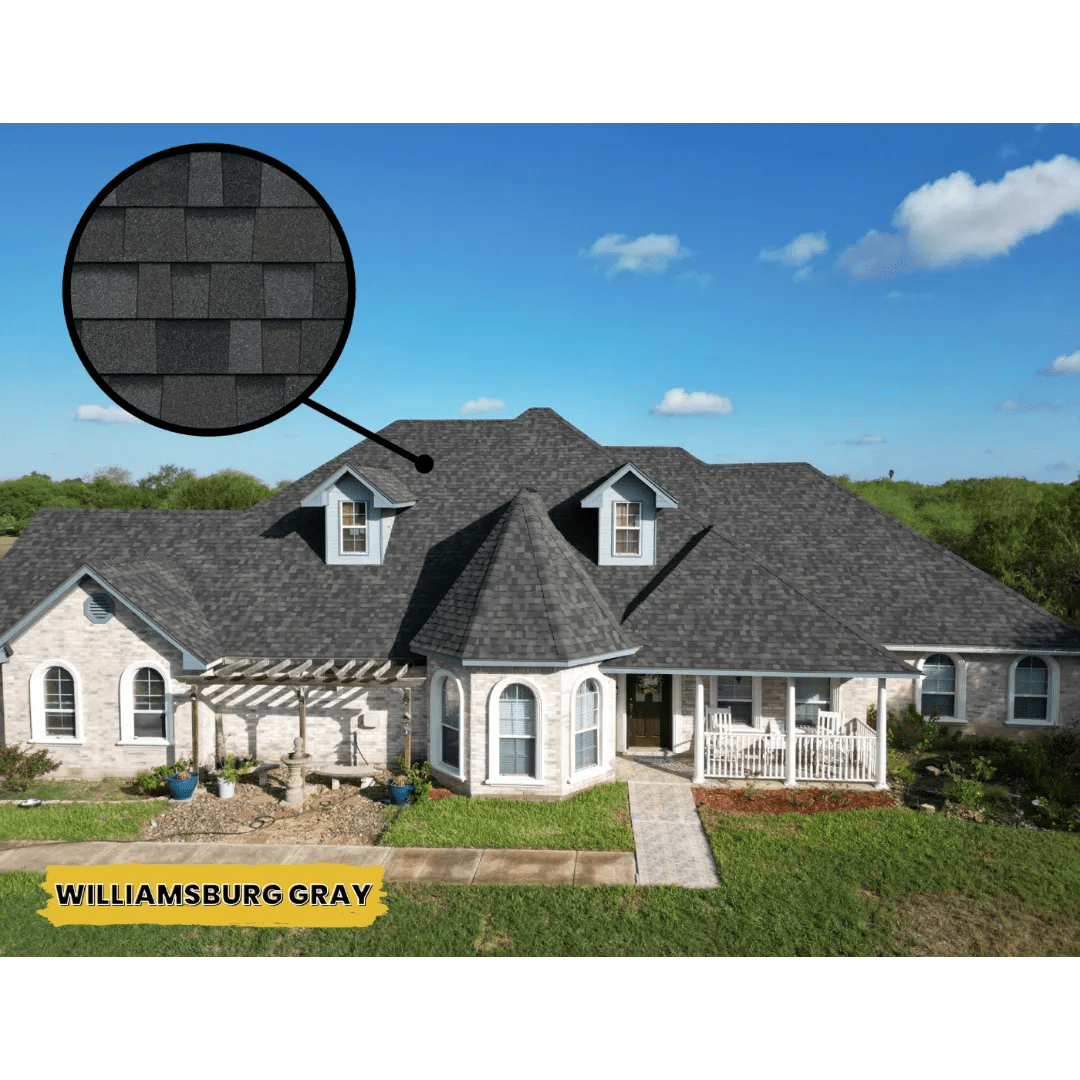
Dark Shingles
- Absorb more surface heat
- Increase roof surface temperature
- Do not significantly increase indoor temperature when ventilation is correct
Light or “Cool Roof” Shingles
- Reflect more sunlight
- Slightly reduce roof surface temperature
- Still require proper ventilation to be effective
Shingle color alone will never fix ventilation problems.
Why Homes Sometimes Feel Hotter After a Roof Replacement
If a home feels warmer after reroofing, the cause is often:
- Blocked or reduced ventilation
- Old vents not replaced
- Improper ridge vent installation
- Insufficient intake airflow
- Insulation issues exposed during replacement
Roof replacements are the ideal time to correct ventilation—not overlook it. This also ties into code compliance, covered in Do I Need a Permit to Replace My Roof?.
Building Codes, Warranties, and Ventilation
Modern building codes require minimum attic ventilation ratios to:
- Protect roofing systems
- Prevent moisture damage
- Improve energy efficiency
- Avoid premature shingle failure
Manufacturers also require proper ventilation for warranty validity. Poor ventilation can void warranties—regardless of shingle color.
Should You Avoid Dark Shingles?
Not necessarily.
Dark shingles can be a great choice if:
- You like the look
- Your home’s design supports it
- Attic ventilation is properly designed
- Insulation levels are adequate
The key is system design—not color avoidance.
Our Philosophy: System Performance Over Surface Color
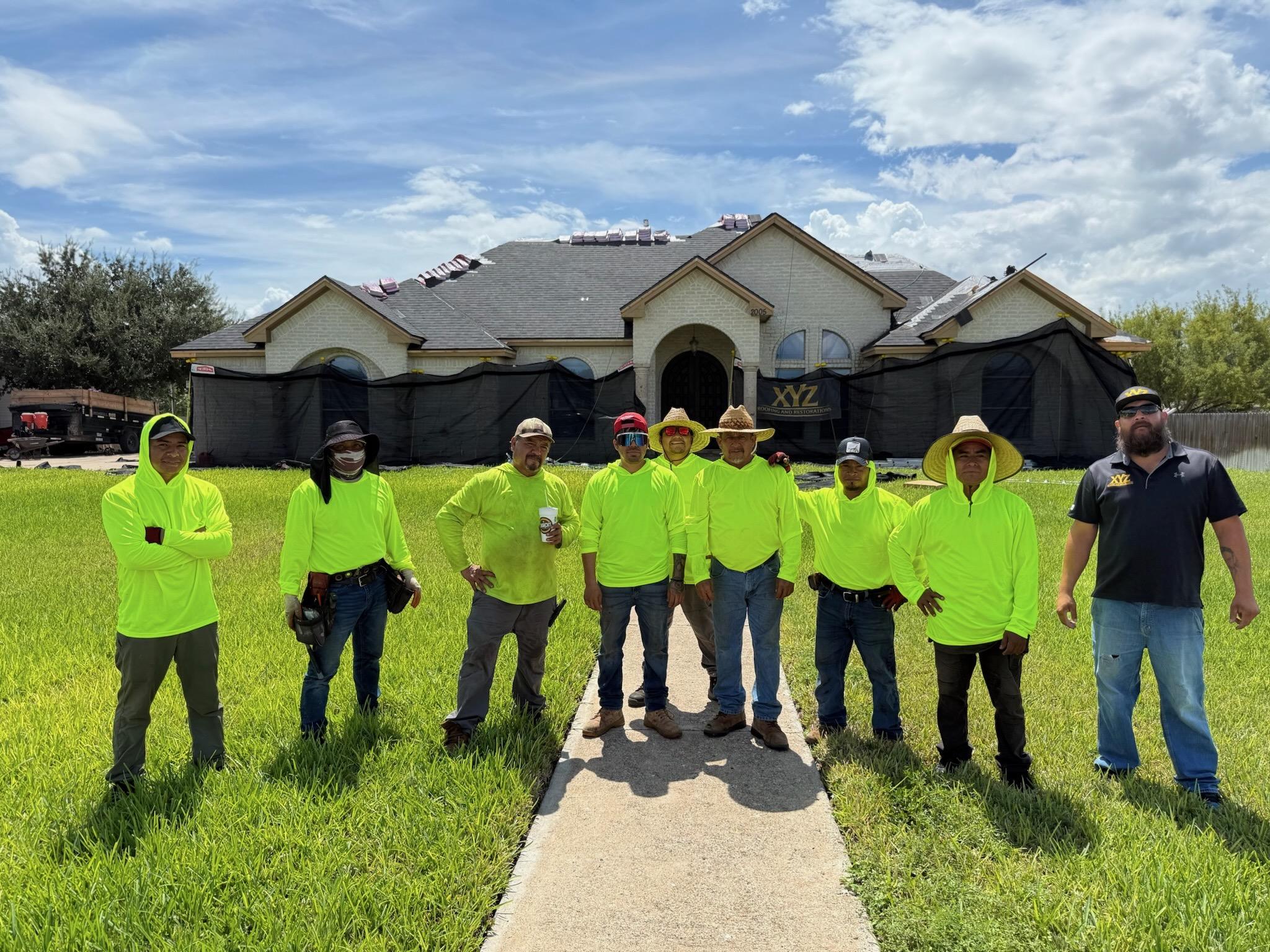
At XYZ Roofing & Restorations, we believe a roof is a complete system.
That means:
- Shingle color is a design choice
- Ventilation is a performance requirement
- Airflow and insulation protect comfort
- Long-term efficiency matters more than surface temperature
If you’re planning a roof replacement, you can get an instant roof quote here and see how ventilation upgrades factor into your system.
Final Thoughts
So, do dark-colored shingles make your house hotter?
Not when attic ventilation is done correctly.
While dark shingles absorb more heat at the surface, proper airflow prevents that heat from affecting your living space. Most comfort and energy issues are caused by poor ventilation—not shingle color.
A well-ventilated roof protects your comfort, your energy bills, and your investment—no matter what color shingles you choose.